
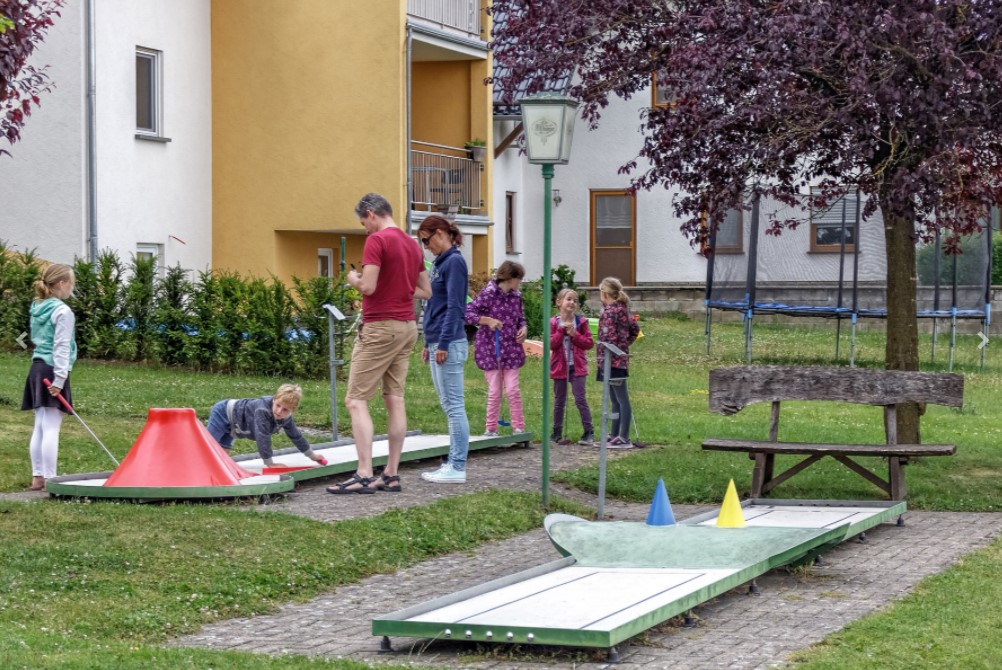
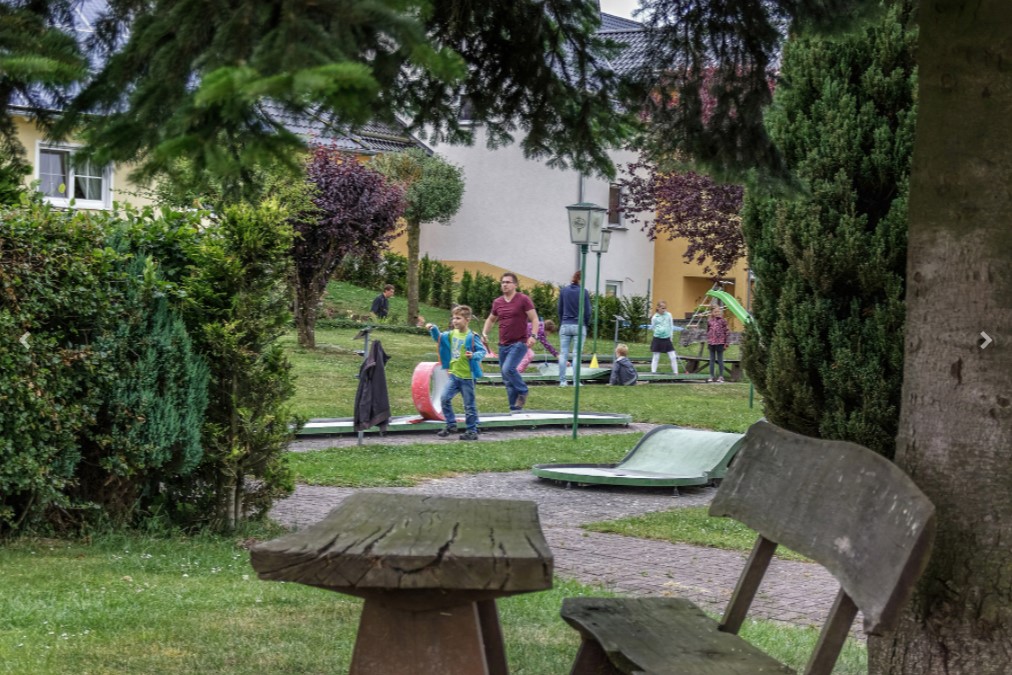
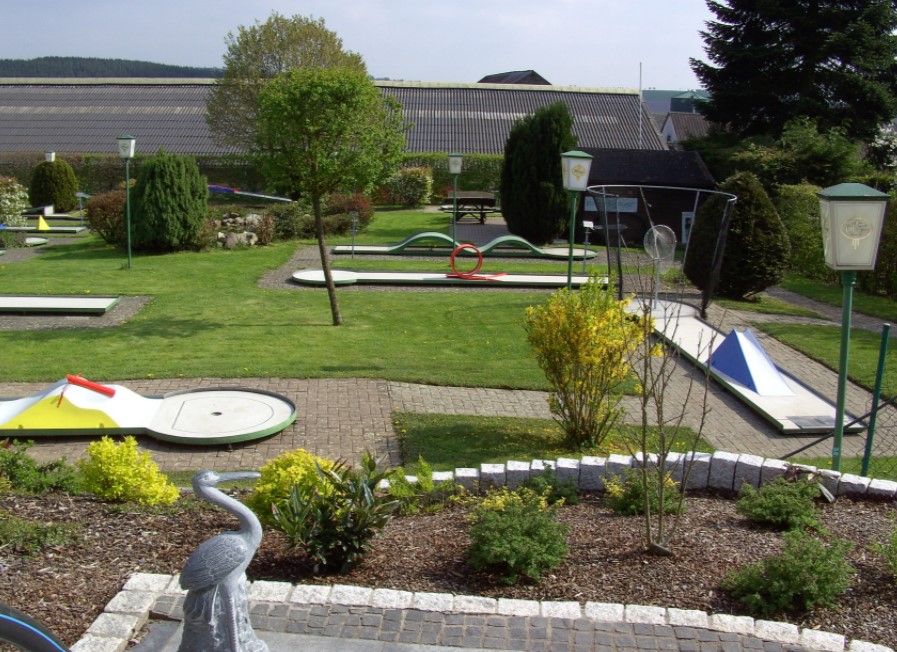
Minigolf (Altes Backhaus) 1 km
Fancy a little tournament? Our 18-hole mini golf course is becoming increasingly popular for outings with friends or family, children's birthday parties, school and company trips, or larger competitions.
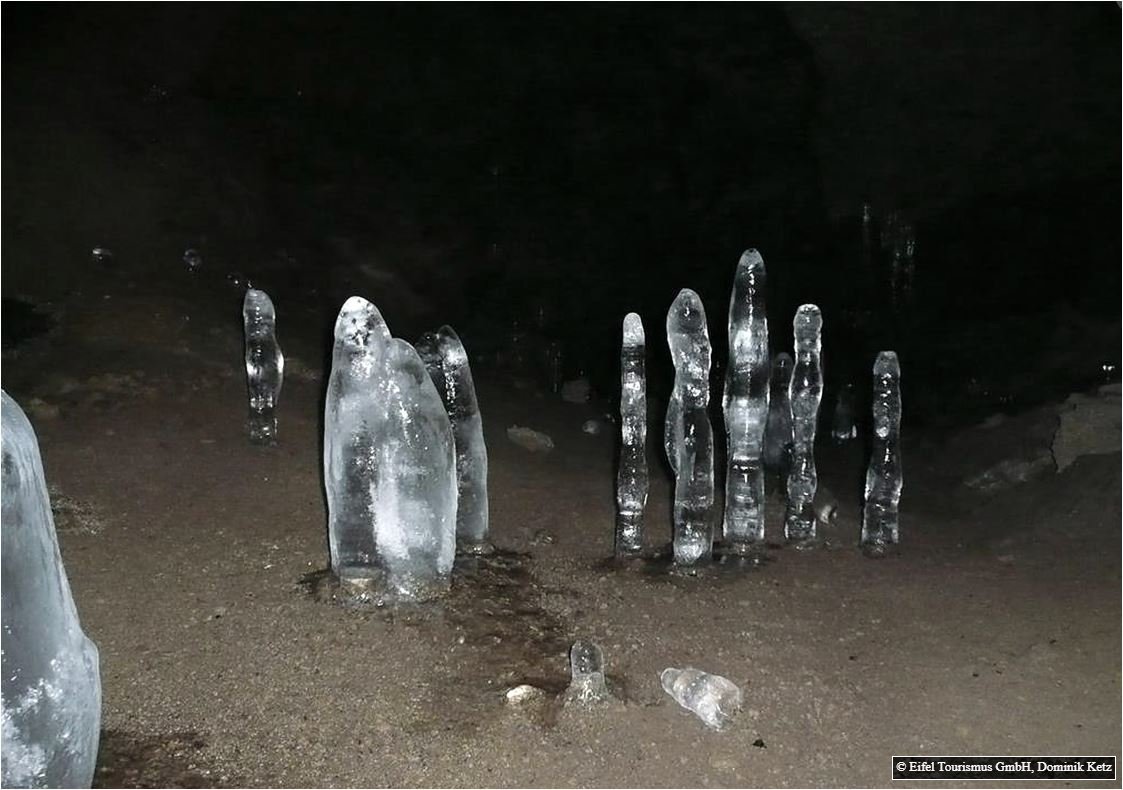


Birresborner Eishöhlen 33 km
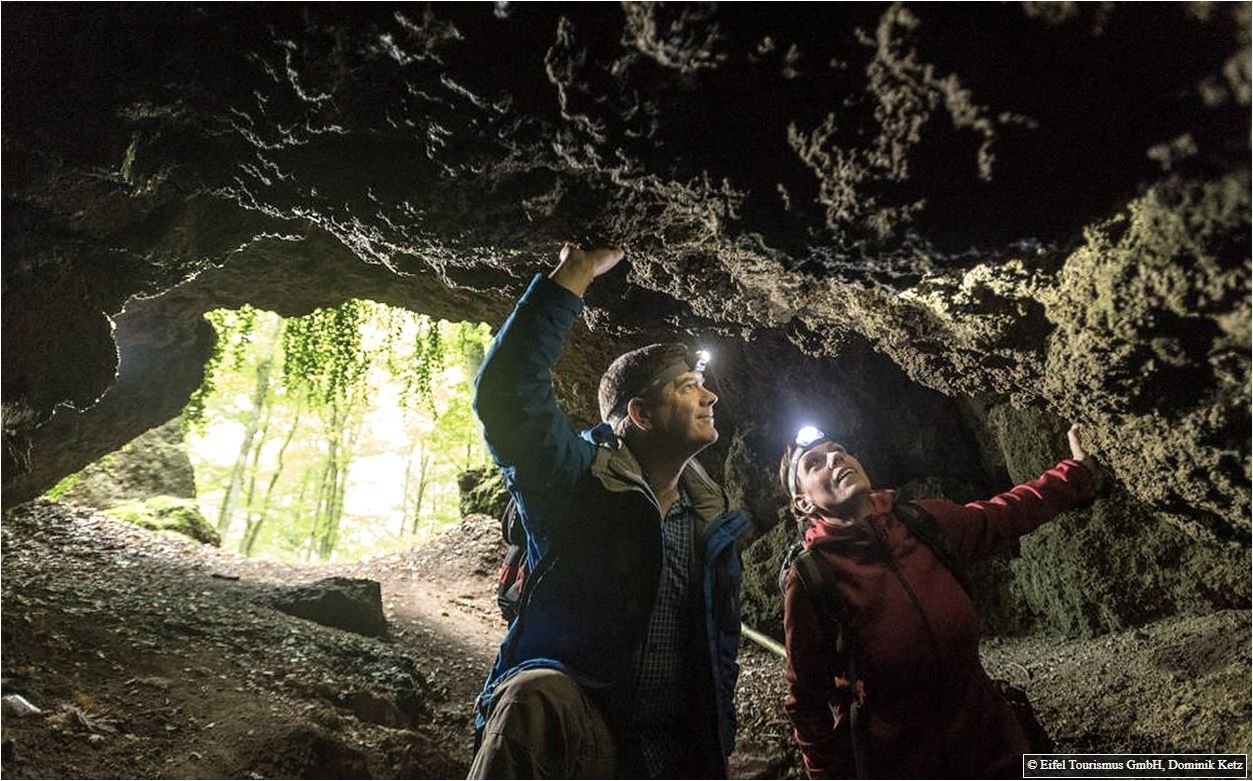
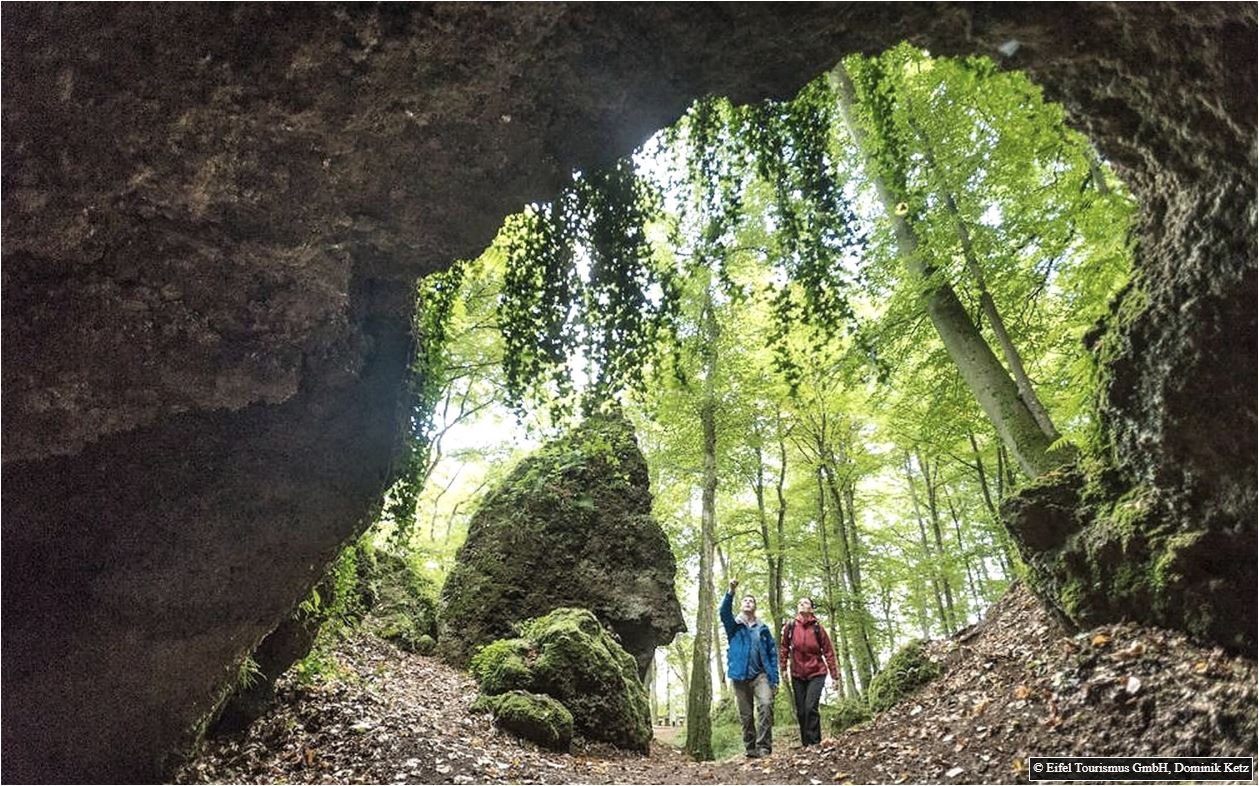
The Birresborn ice caves consist of a total of three tunnels, which were originally dug into the hillside to a length of about 30 metres for the extraction of millstones.

Kletterpark Biersdorf 28 km
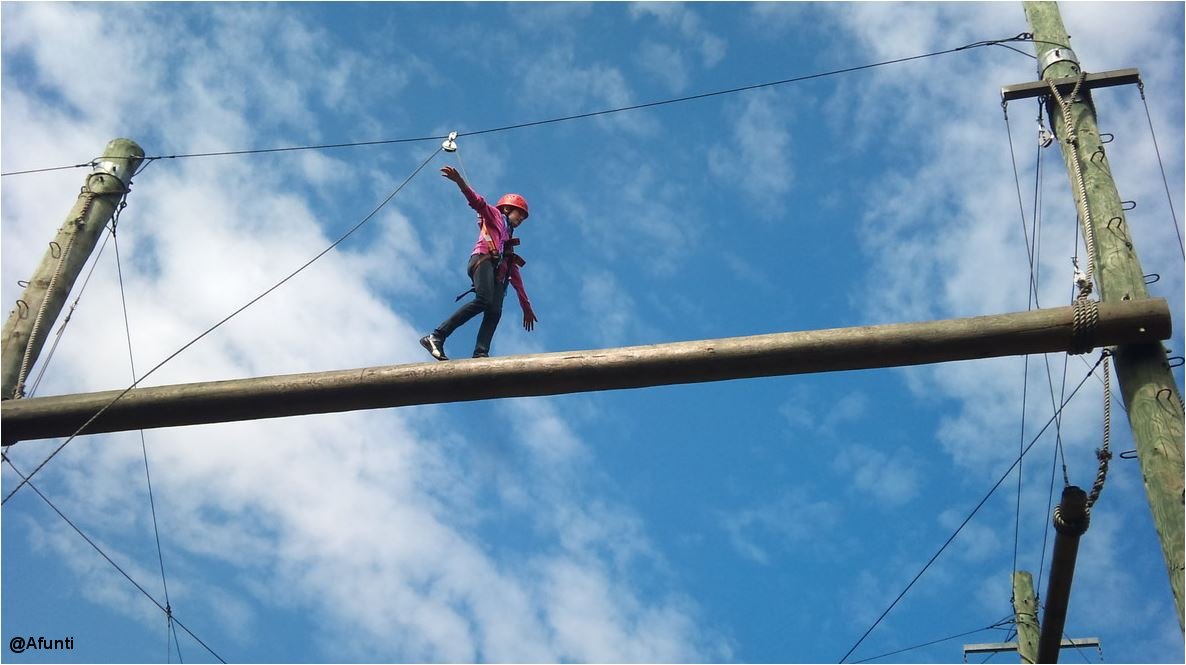
The high ropes course in Biersdorf is one of the most beautifully located rope courses in Germany. It features a balanced mix of high and low elements and is equally suitable for training purposes and hosting events/incentives. A major advantage is its direct connection to the Dorint Sporthotel, which offers professional conference facilities and numerous wellness options. Furthermore, the location is ideal for combining activities in the rope course with other outdoor activities (e.g. raft building).

Bitburger Brauerei 34 km
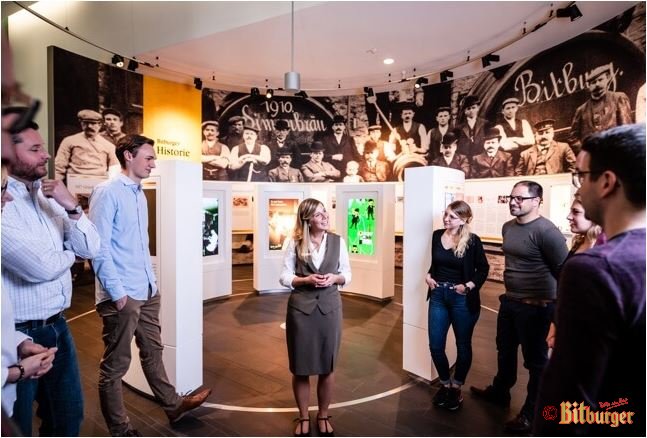
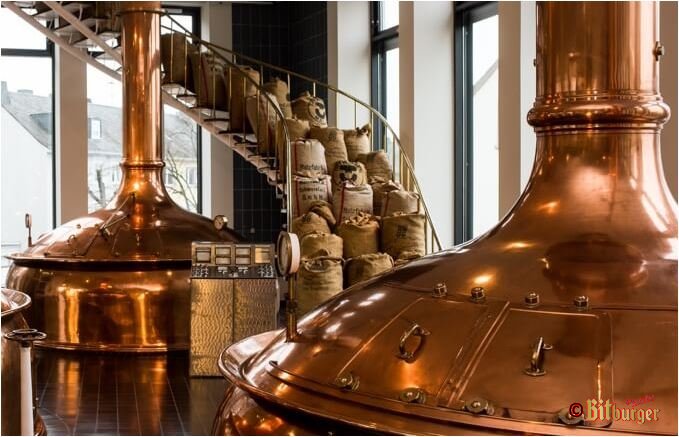
The Bitburger Brewery is a brewery based in Bitburg that belongs to the Bitburger Brewery Group. The company was founded in 1817 by Johann Peter Wallenborn and is a family-run private enterprise. Bitburger is one of Germany's best-known breweries and beer brands. (Source: www.bitburg.de / Approval by Werner Krämer)
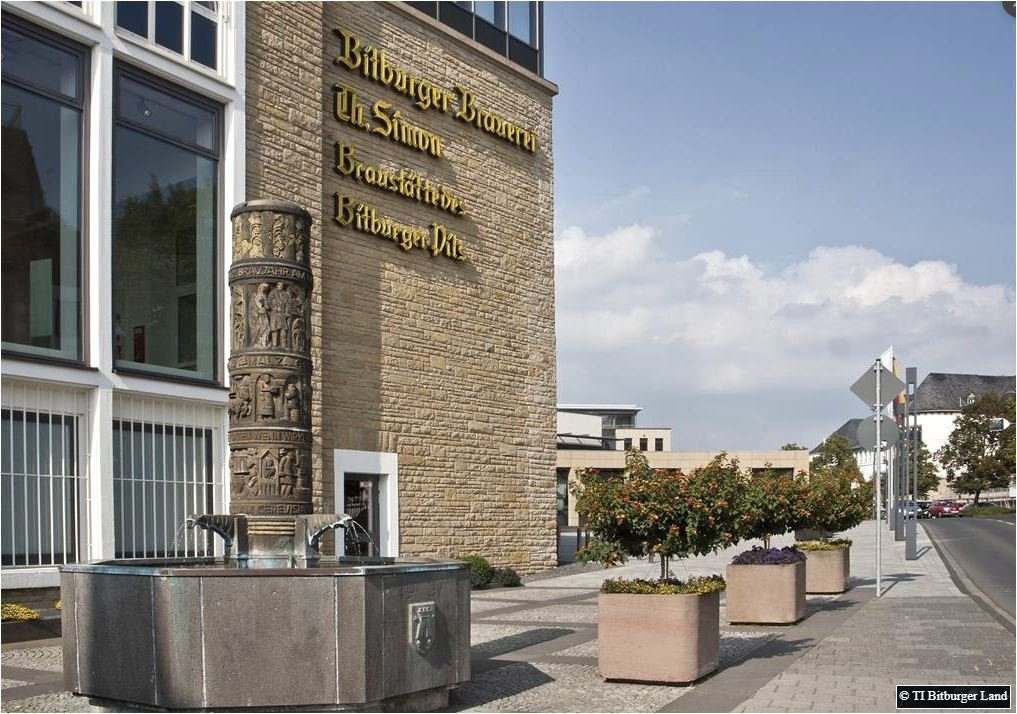
Bitburger Bierbrunnen 34 km
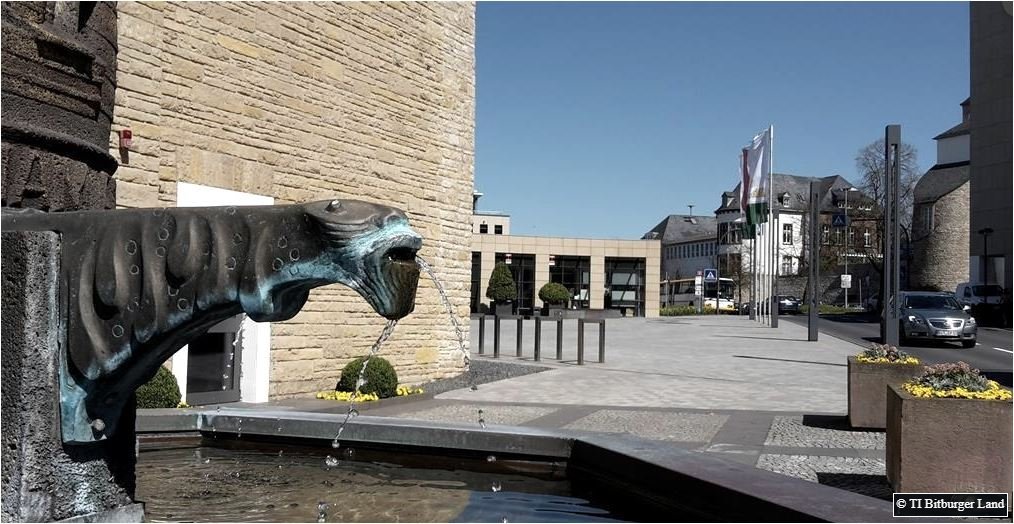
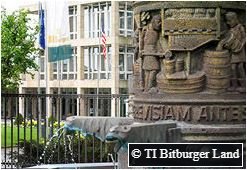
The beer fountain, erected in 1937, was a gift from the Bitburger Brewery to the town of Bitburg. It was created by the Mayen sculptor Prof. Karl Burger and depicts the production of beer through the centuries. It originally stood opposite the Simonbräu brewery taproom on a market square until it was moved to its current location in 1959. The special feature of the fountain is that when it was built, a beer pipe was installed in one of the gargoyles. This means that beer can actually flow from the beer fountain on special occasions.
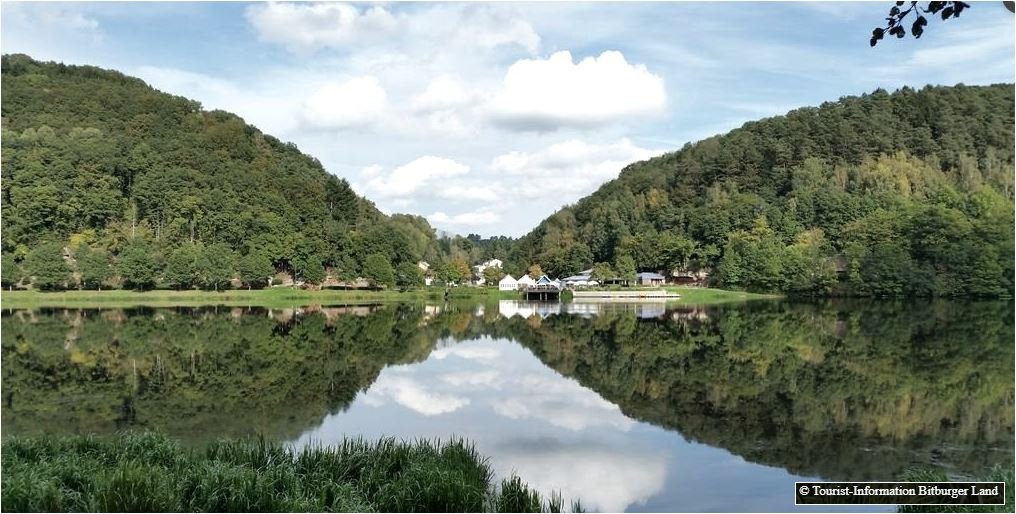
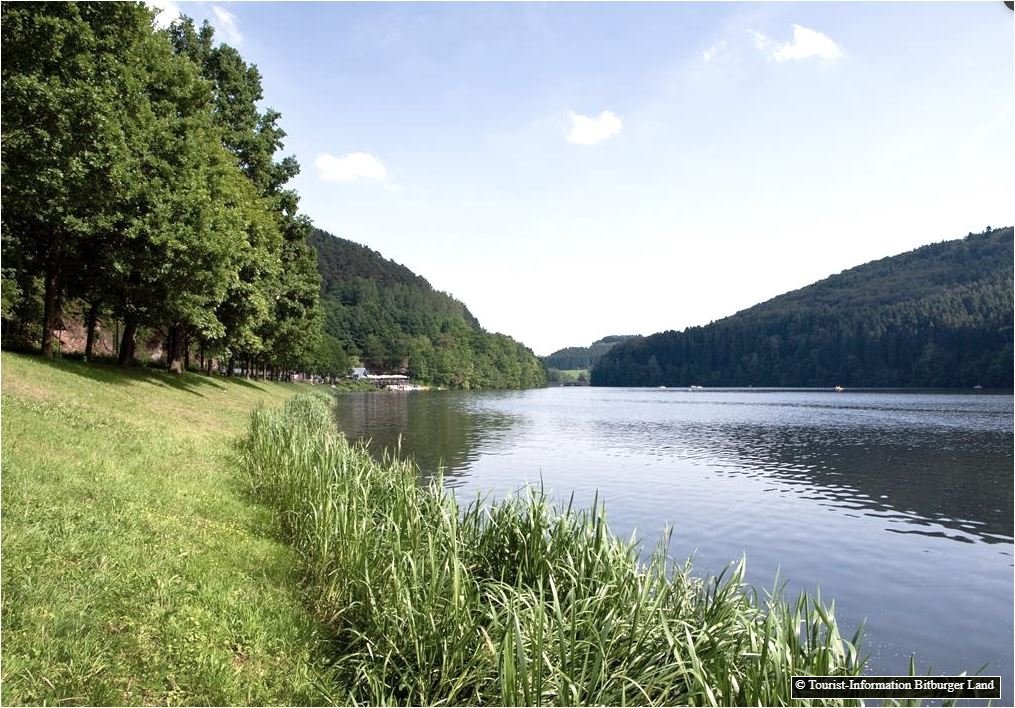
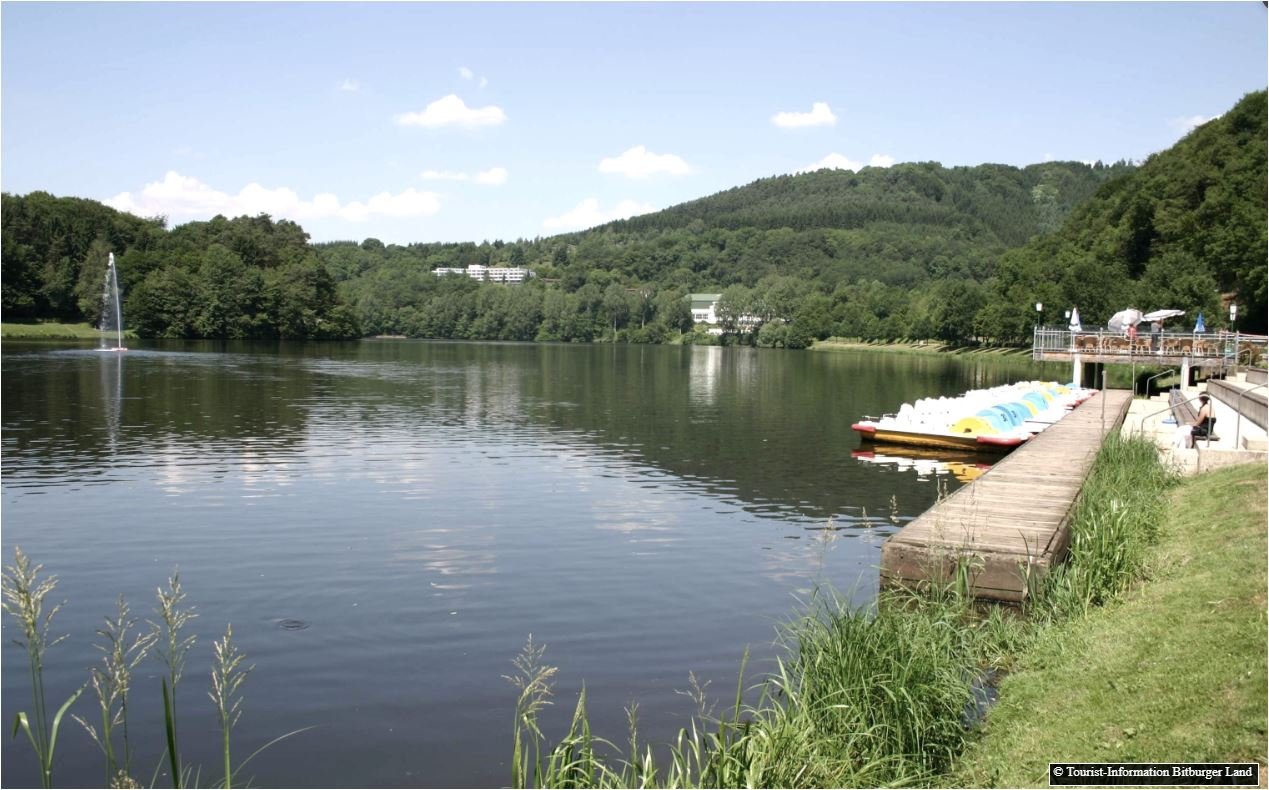
Bitburger Stausee 28 km
Located in the scenic Prüm Valley, the reservoir near Biersdorf is the tourist centre of the Southern Eifel. The 35-hectare reservoir offers a wide range of leisure activities such as pedal boating, rowing, canoeing and fishing. A special attraction is the fountain in the middle of the lake, which can be seen in summer. Unfortunately, swimming and diving are not permitted in the reservoir. The approximately five-kilometre-long lakeside promenade is ideal for walking. An overview map with hiking routes is available at the ‘Zur Rotlay’ car park. Several pubs, restaurants and cafés are located in the immediate vicinity.
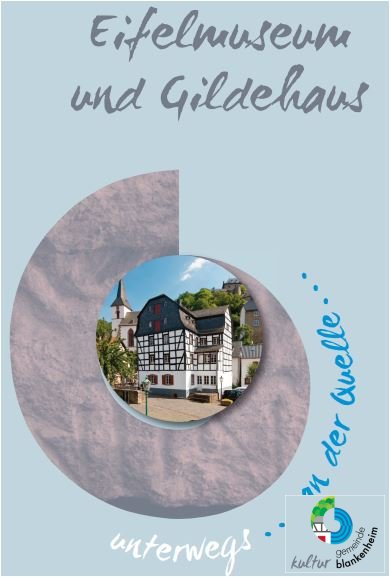
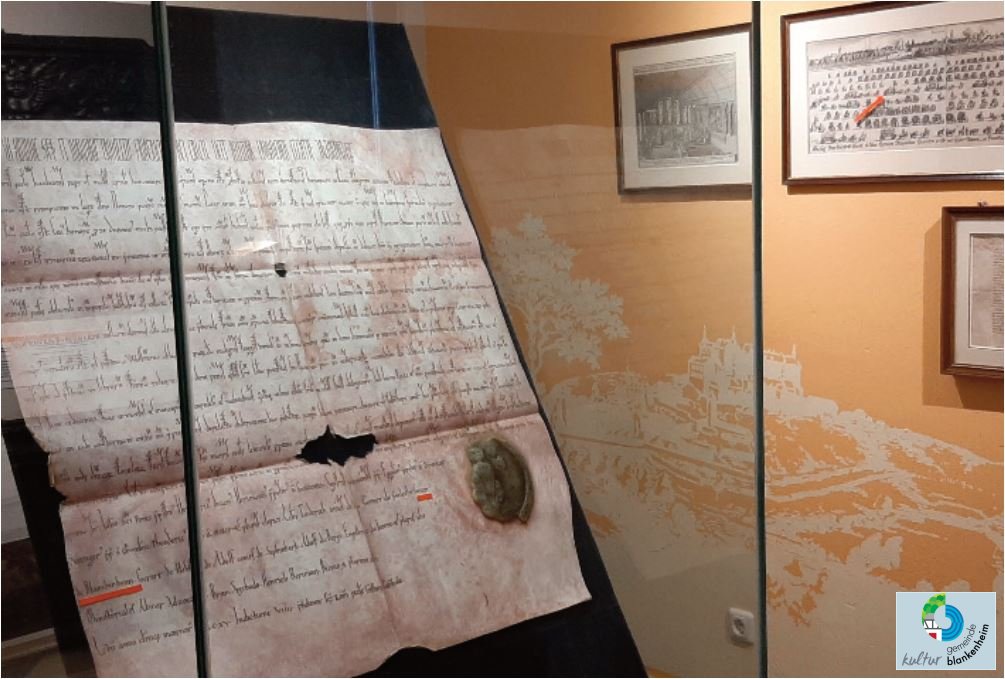

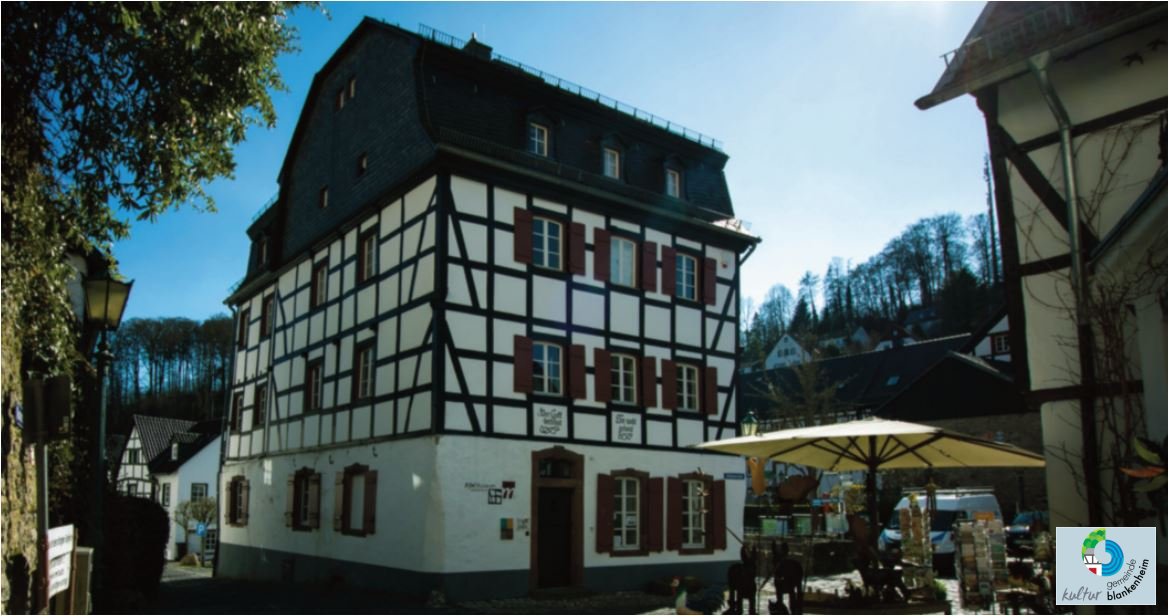
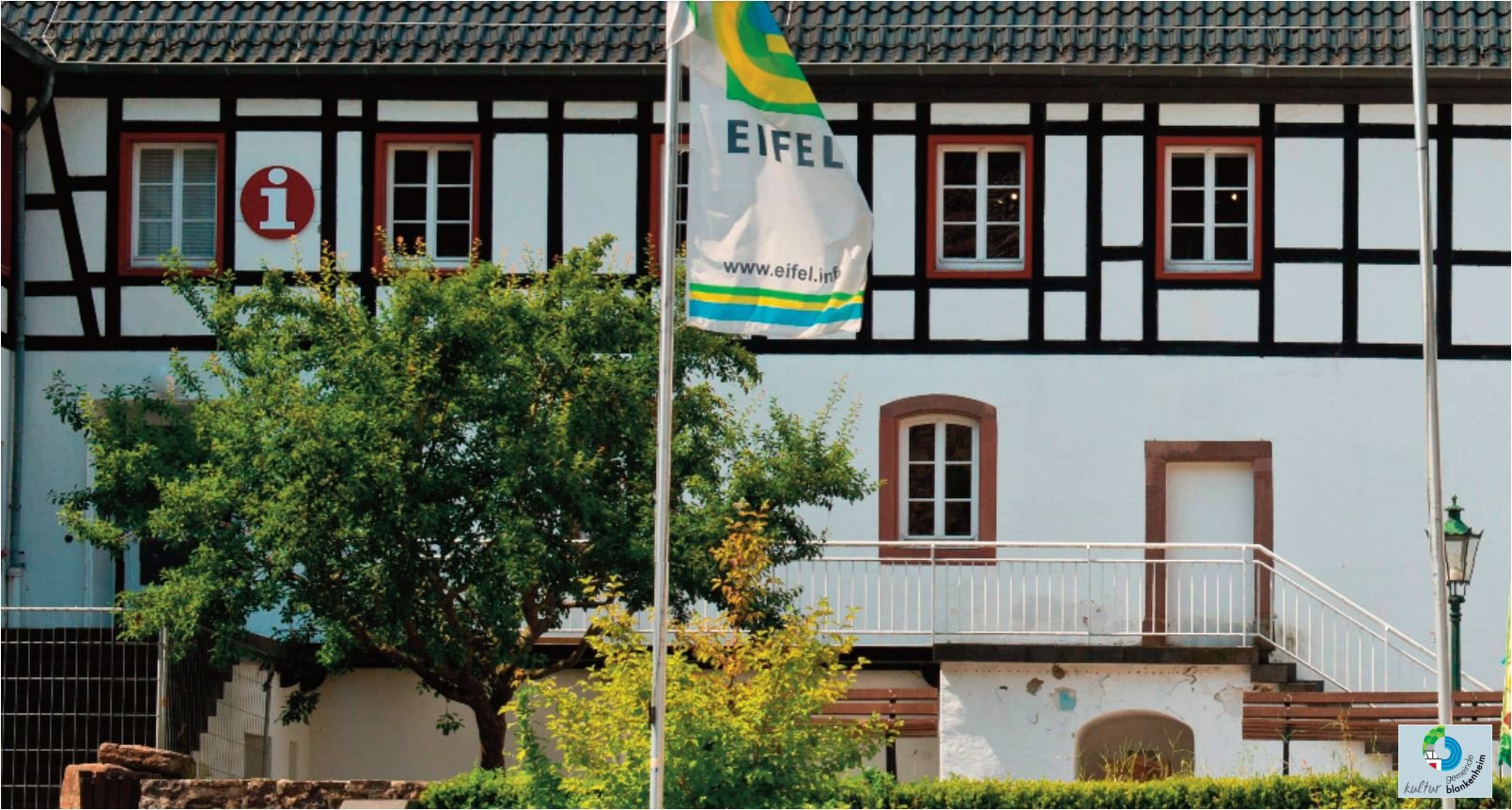
Blankenheim Eifelmuseum 44 km
The Eifel Museum sees itself as a museum in the region that aims to portray the landscape, the natural environment and the people in their historical development.
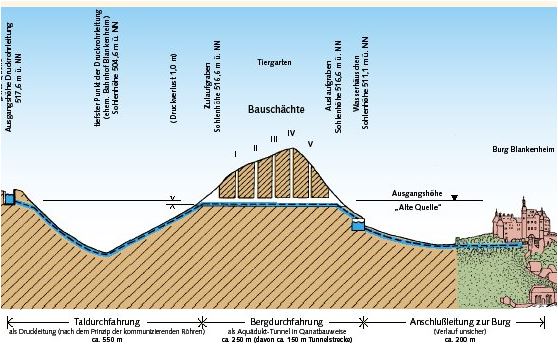

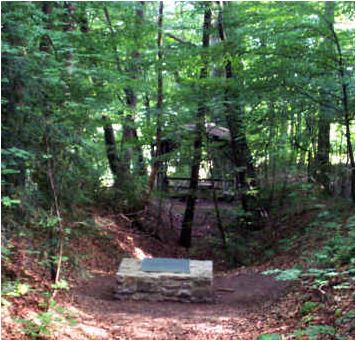
Blankenheim Tiergartentunnel 44 km
The tunnel, an essential component of this water pipeline, can be recognised by the visible signs of excavation above ground: even before the archaeological investigation, the inlet trench, construction shafts and collapsed sections gave expert observers an idea of the complexity of this technical structure. (Source: Blankenheim municipality)

Blankenheim Ahrquelle 44 km
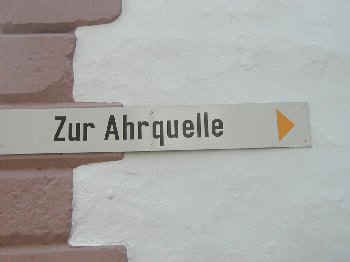
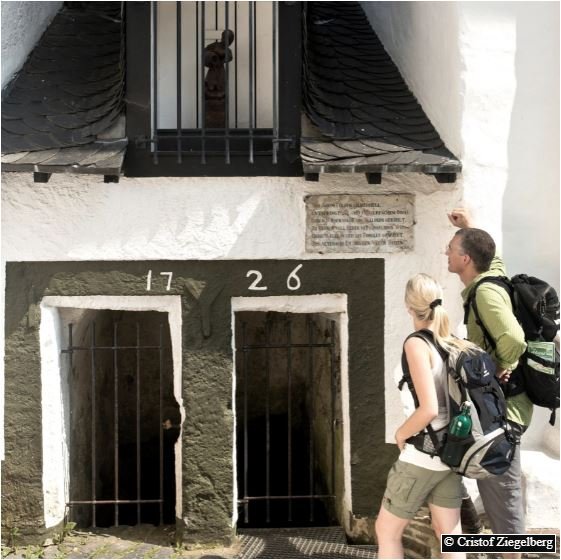
The river that has made Blankenheim famous far beyond the region's borders has its source in the cellar vaults of a half-timbered house dating from 1726. The Ahr shapes much of the landscape in the municipality of Blankenheim and flows through the romantic Ahr Valley before joining the Rhine at Sinzig after a journey of 89 km.
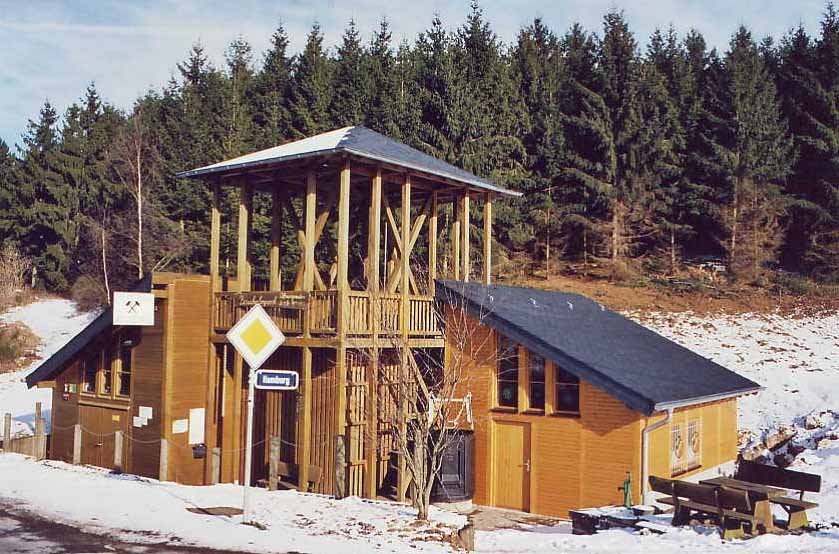
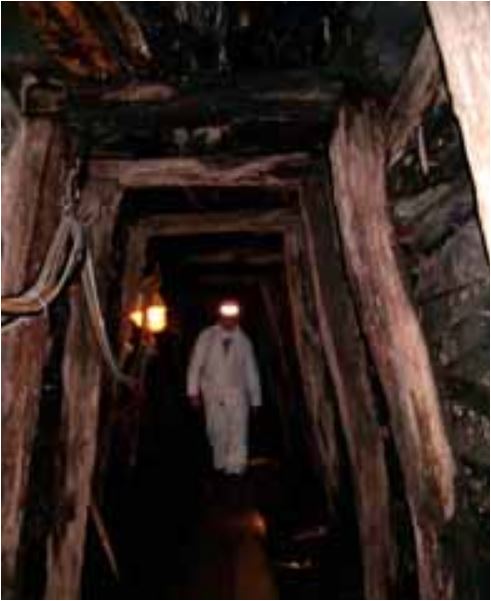
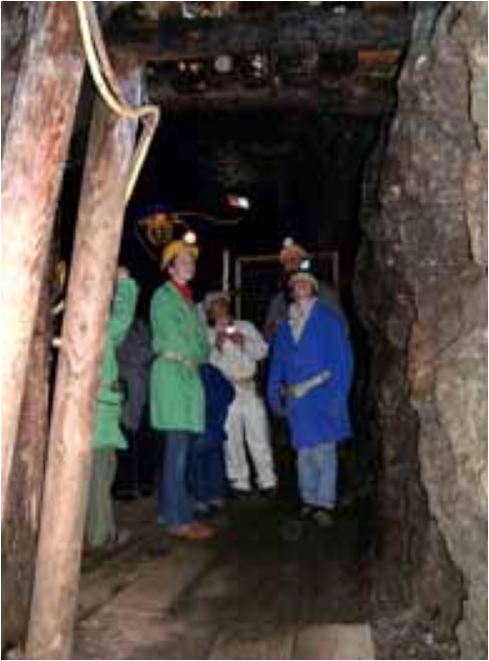
Bleialfer Besucherbergwerk 1 km
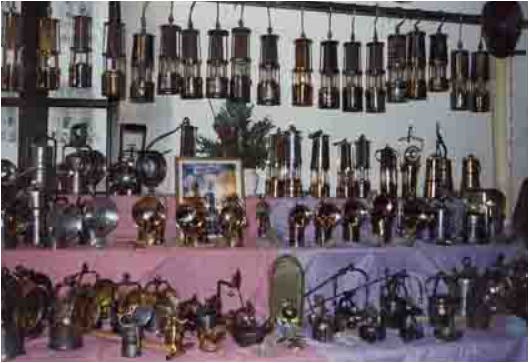
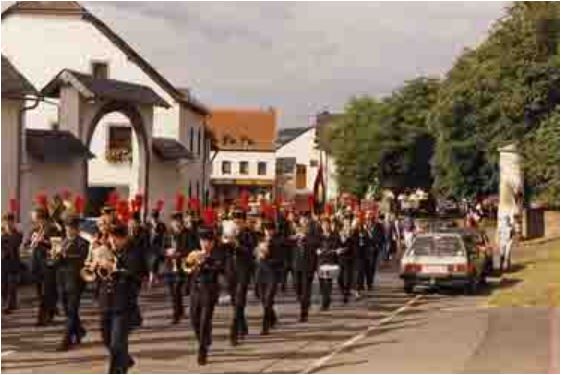
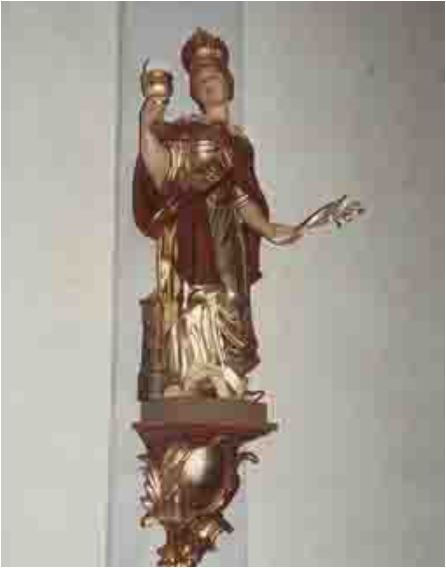
Maintaining and promoting the old mining tradition in Bleialf and the surrounding area. Taking over responsibility for the Mühlenberger Stollen visitor mine in Bleialf, which includes guided tours, lectures and exhibitions in the Mühlenberger Stollen. Advocating for effective monument and environmental protection, especially for the preservation of objects worthy of preservation. Researching and investigating the Bleialf mining area in cooperation with the Geological Institute of RWTH Aachen University.
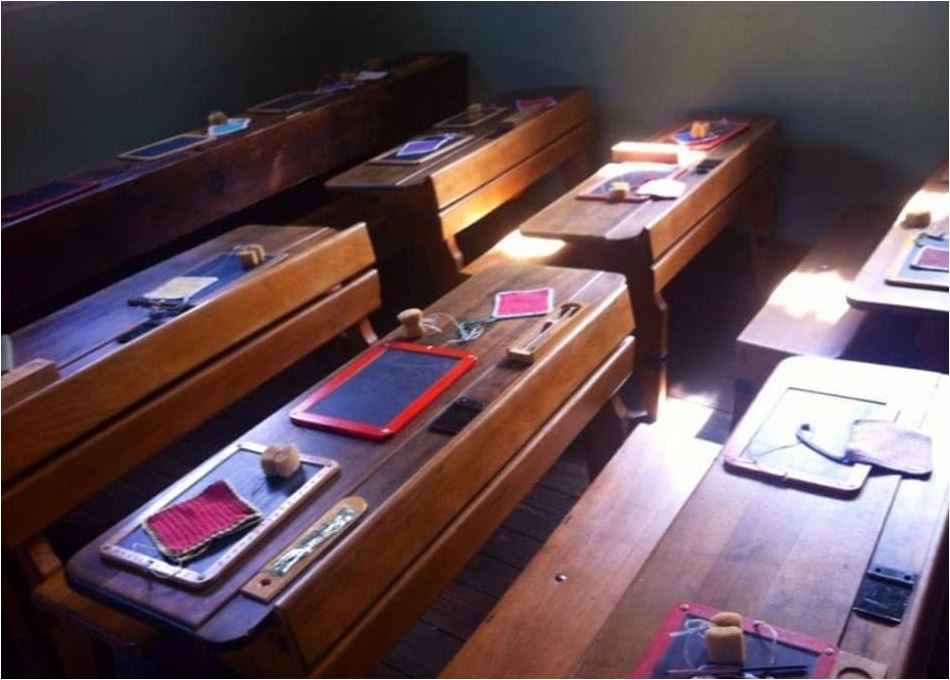

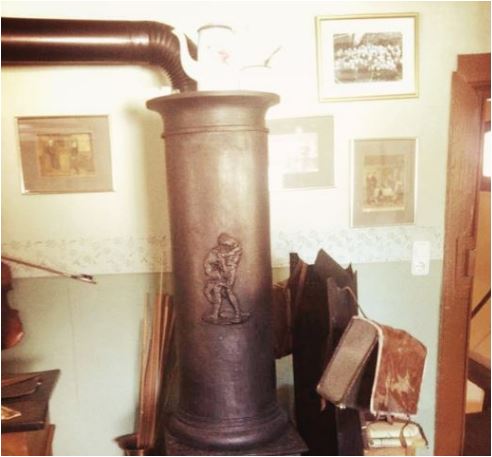
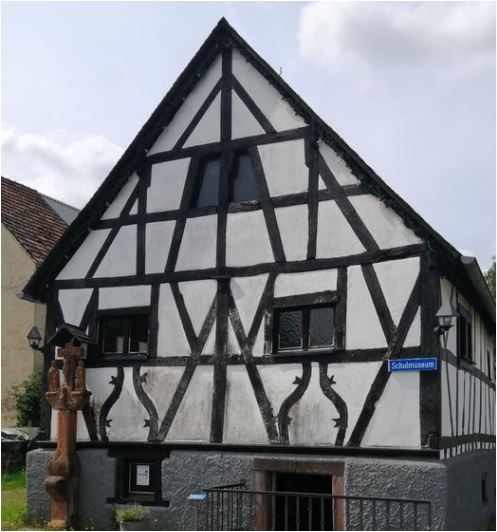
Dauner Schulmuseum 50 km
This museum provides a vivid account of the development of schooling over the past 200 years in what is probably the oldest school building in the Daun district. It reminds us that before compulsory schooling was introduced, so-called ‘winter teachers’ with no pedagogical training taught the children, having to earn extra money in the summer working in agriculture and crafts. At that time, the village shepherd still earned more than the village schoolmaster.
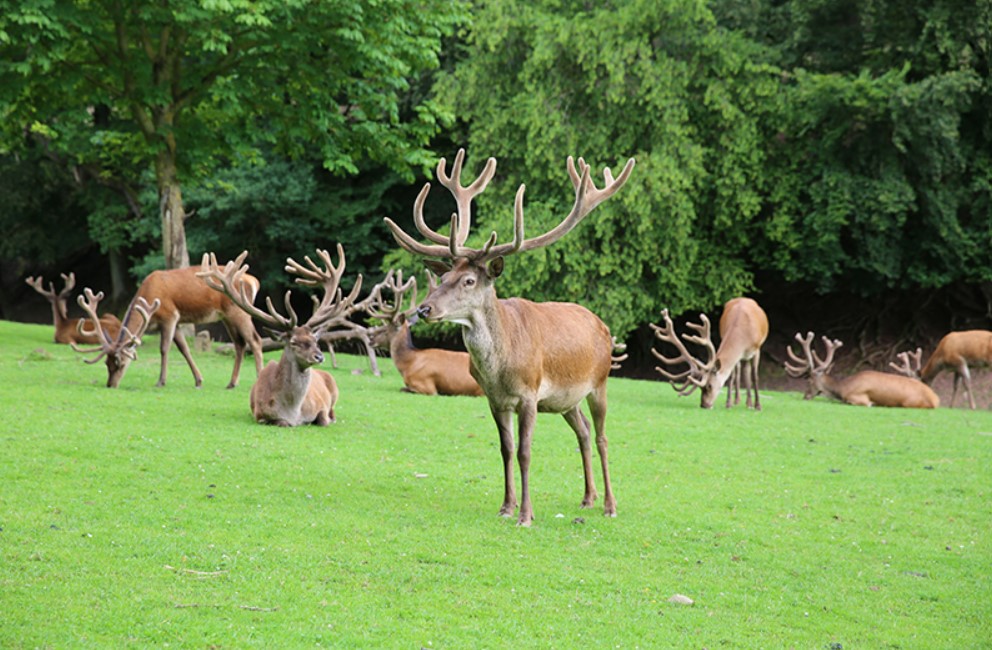
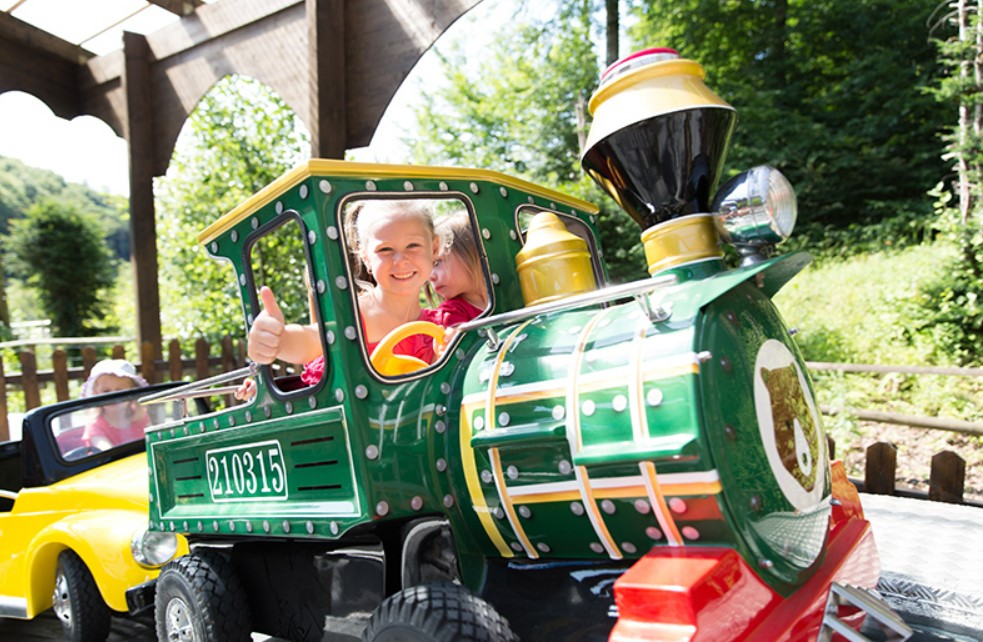
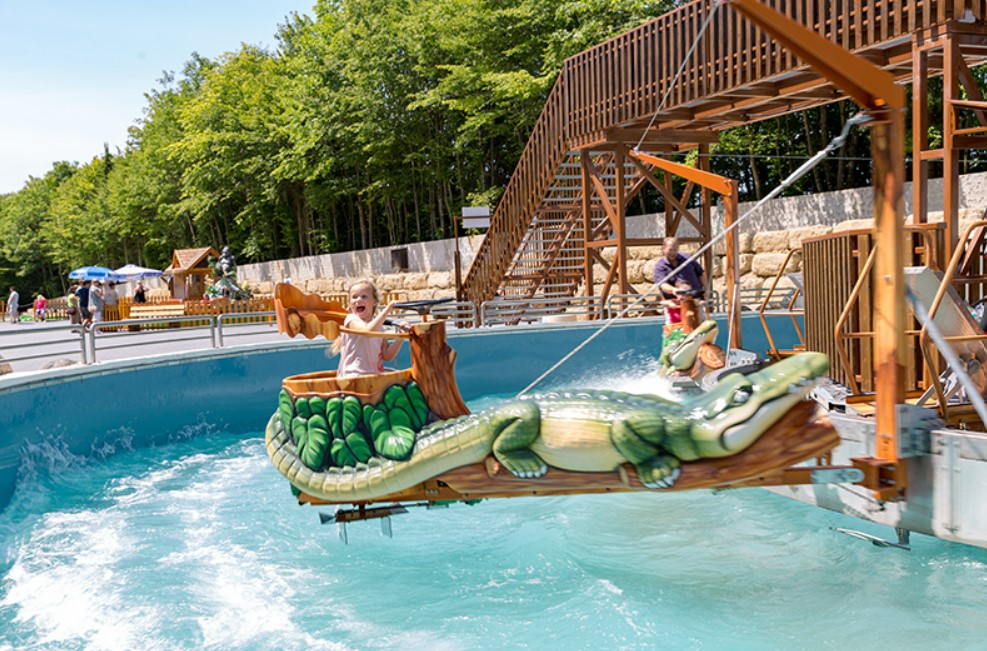
Eifelpark Gondorf 50 km
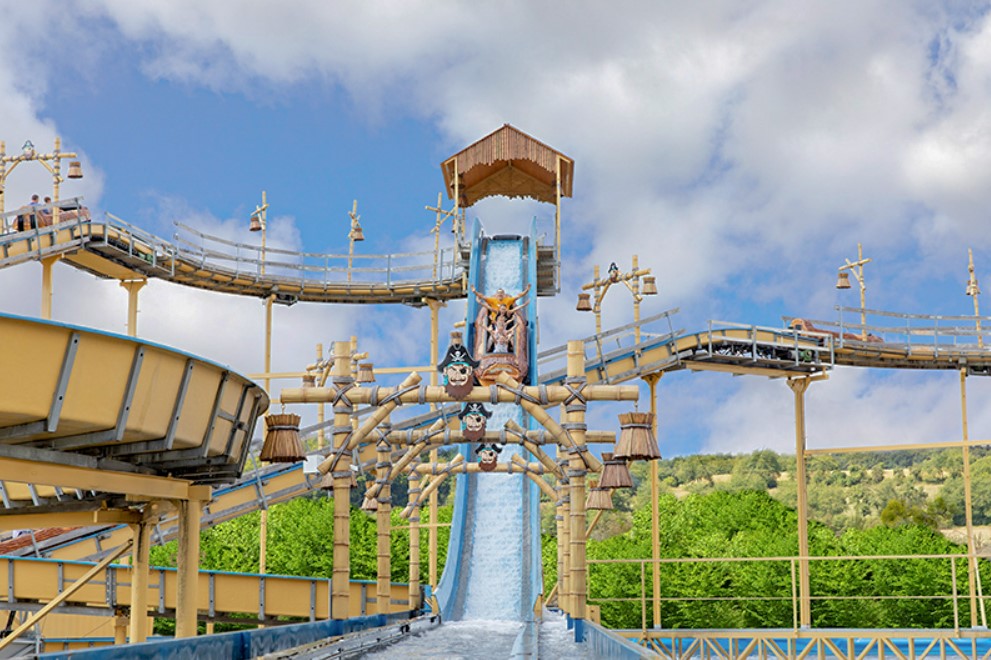
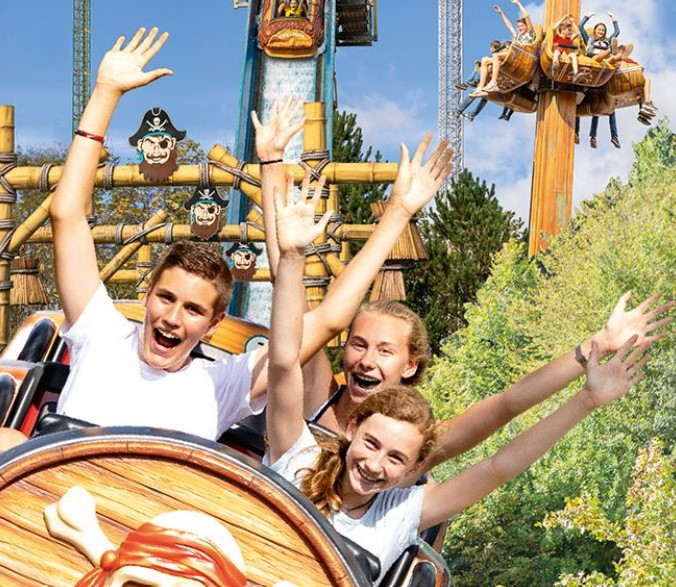
More than 50 attractions! Pirate Island whitewater ride, huge summer toboggan run, Captain Jack's Wild Mouse roller coaster, chain carousel, whitewater roundabout, pedal boat lake, Eifel Tower, Pony Express, and much more. Lots of wildlife! More than 200 animals call Eifelpark Gondorf their home. See brown bears, wolves, lynxes, meerkats, deer, roe deer, fallow deer, wallaby kangaroos, goats (petting zoo), and much more. IT'S SHOWTIME! Journey to the Orient with popular artists FiLu & Mr. Baldo at the Eifelpark Waldtheater.


Dauner Vulkanmuseum 50 km
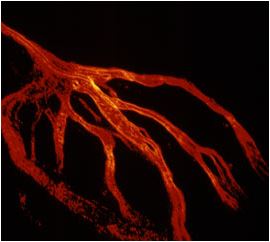
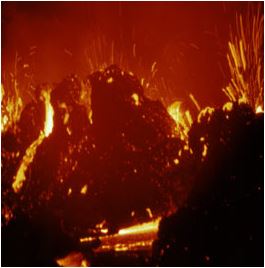
Experiment, touch and try things out. Basic volcanic phenomena are illustrated using examples from the Strohn area. Small experiments, exhibits hidden in interactive walls and walk-in interactive rooms offer a wide range of amazing effects. Informative graphics and large photos of active volcanoes clearly illustrate scientific concepts.


Gerolsteiner Erlöserkirche 35 km
The Erlöserkirche (Church of the Redeemer) in Gerolstein is undoubtedly one of the places that visitors should see during their stay in the fountain town of Gerolstein. Millions of mosaic stones, which make the interior of the church glow spectacularly depending on the incidence of light, bear witness to the wealth and power of the last German emperor. On 25 May 1911, the foundation stone of the extraordinary Protestant Church of the Redeemer was laid on the direct orders of Wilhelm II in the heart of the Catholic Eifel region. After almost two years of construction, the emperor himself insisted on inaugurating the costly magnificent building on 15 October 1913, shortly before the end of his reign. The Church of the Redeemer is considered a rare art-historical document of the late German imperial era and is interpreted as a political monument. The impressive central building in neo-Romanesque style with its sparkling gold mosaics inspires thousands of church visitors every year and is one of the top sights in the Vulkaneifel region.

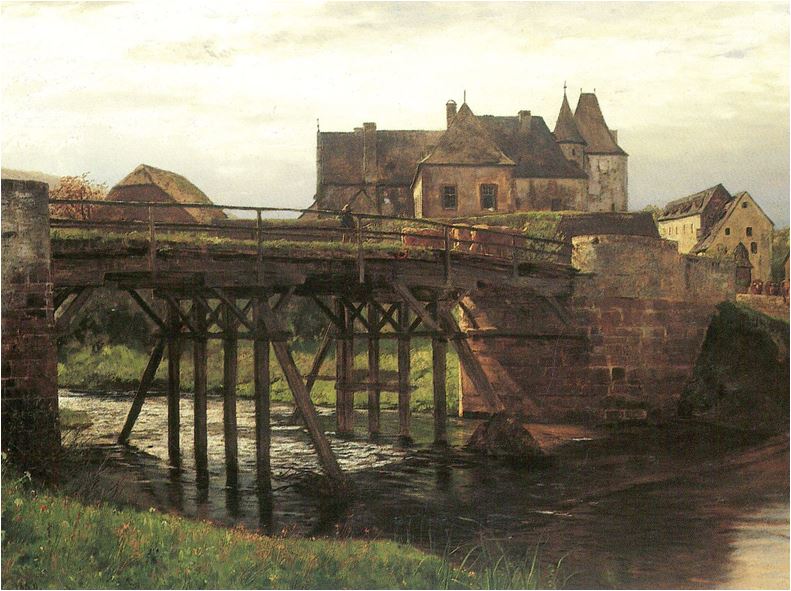
Gerolsteiner Burg Lissingen 35 km
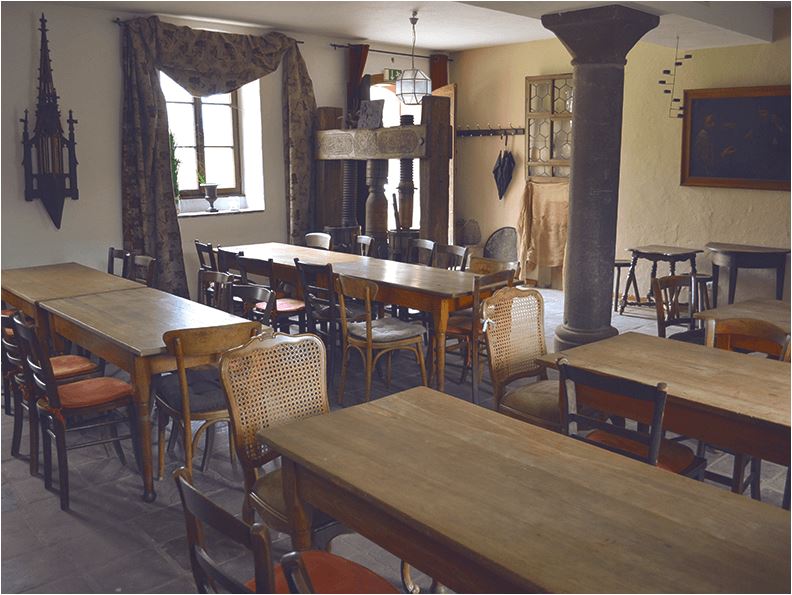
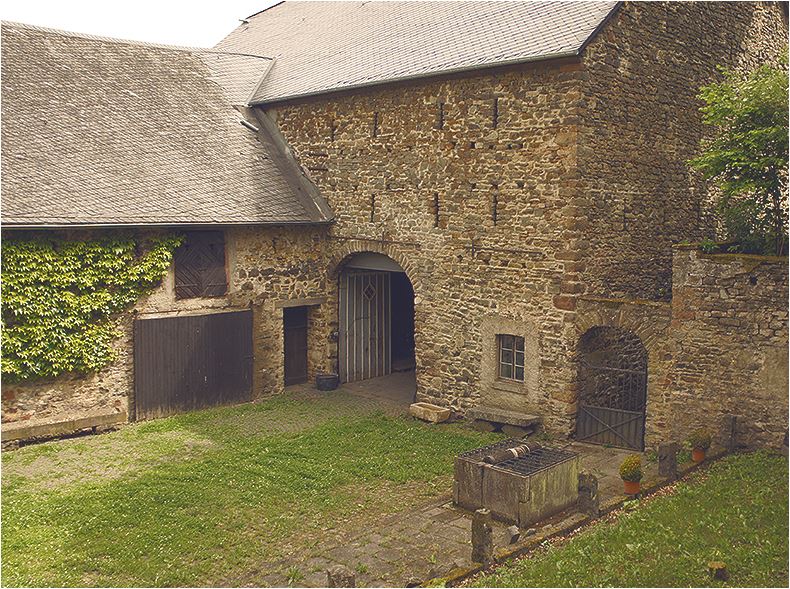
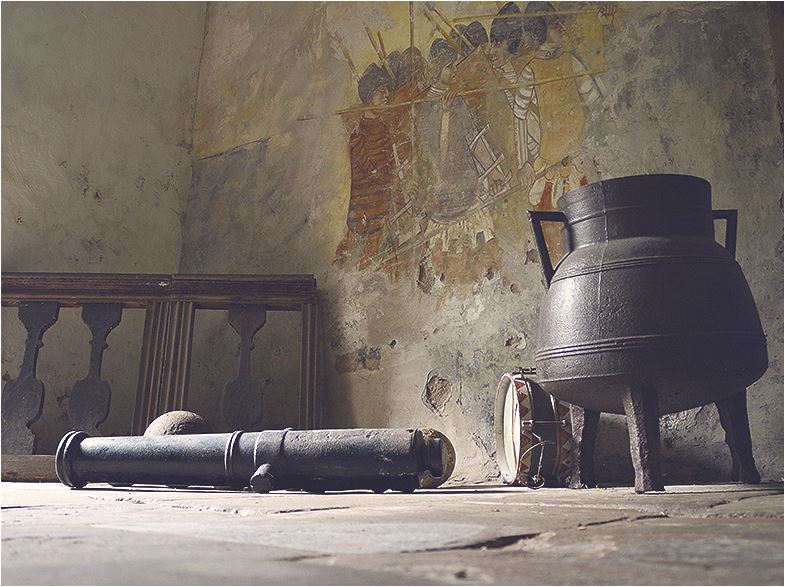
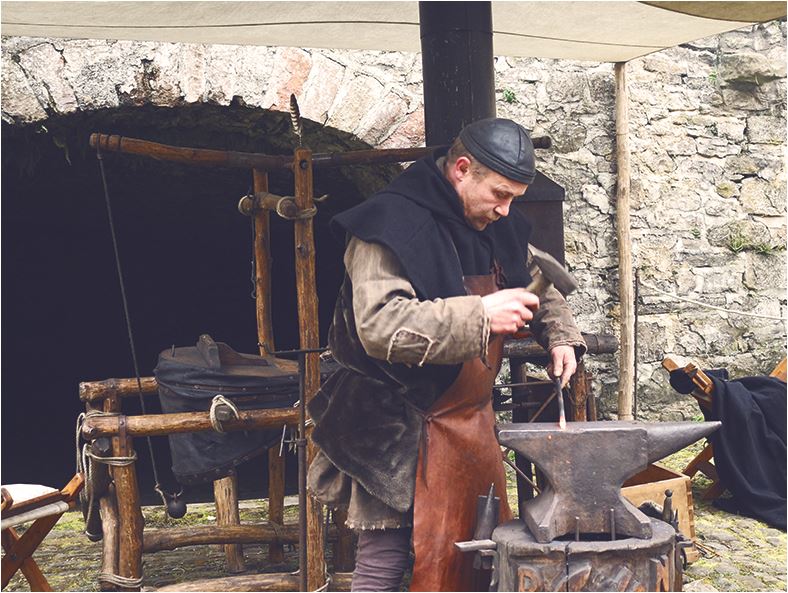
Roman foundation walls from the 2nd century discovered beneath the castle courtyard bear witness to a settlement that was already fortified at that time. Originally, the entire lower castle area was a fortification surrounded by moats. Lissingen Castle was never destroyed. At the time of the Migration Period, the entire castle complex was owned by the Carolingians. They transferred the castle to the Abbey of Prüm, which was important at the time. Around 1200, the von Schmeych family came into possession of Lissingen Castle. In the 12th and 13th centuries, it was expanded into a fortified commercial castle.
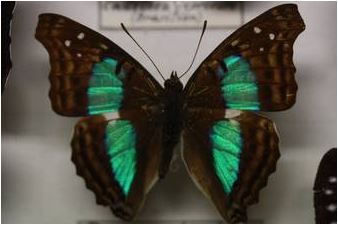
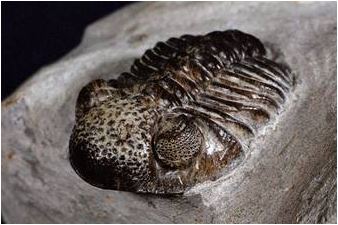
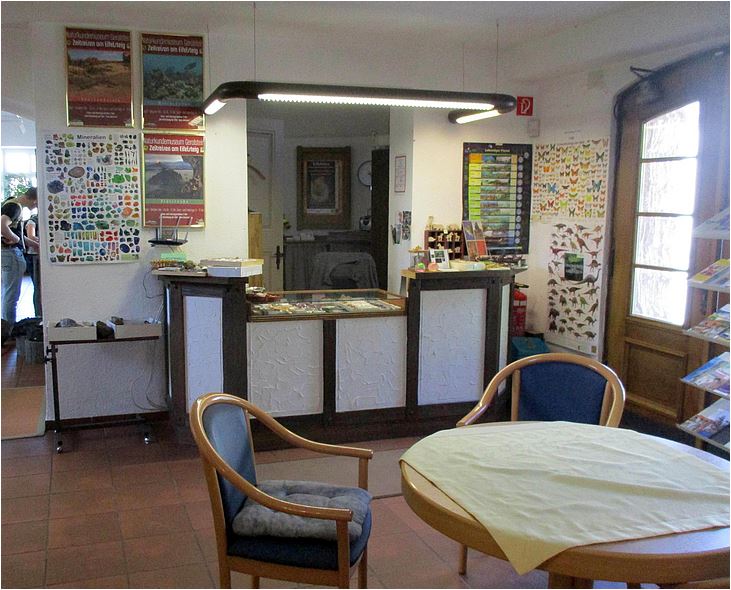
Gerolsteiner Naturkundemuseum 35 km
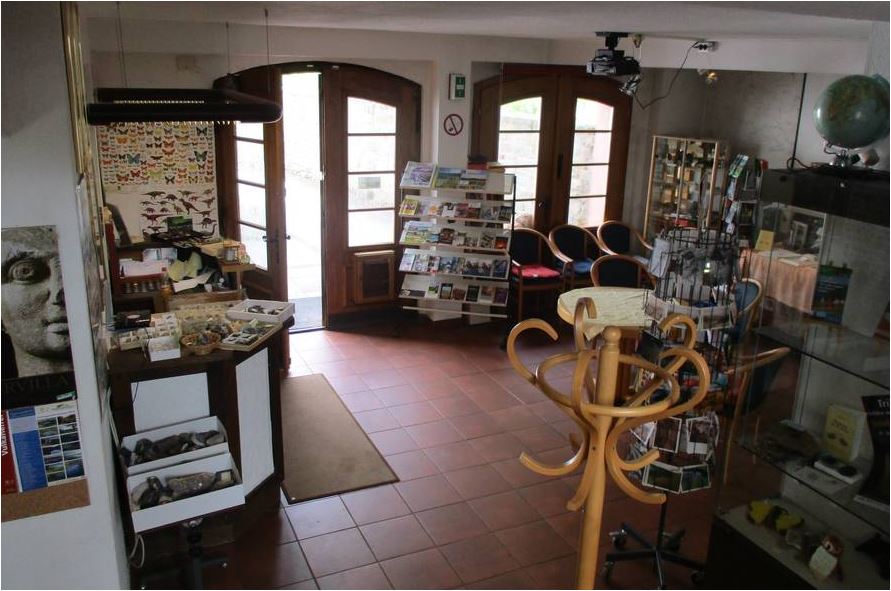
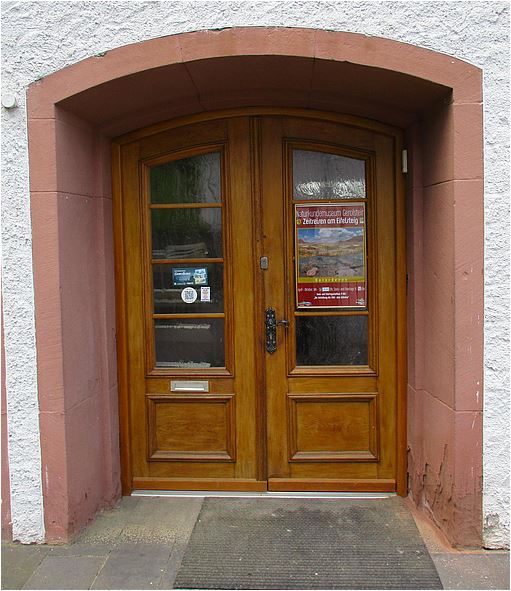
From the outset, the museum has seen itself as the guardian of the magnificent geological and historical heritage of the Vulkaneifel region, and in particular of the famous Devonian fossils from the limestone basins of the Eifel's north-south zone. For this reason, the motto of the natural history museum is ‘Time travel on the Eifelsteig’, which you can embark on with us to learn about everything that has happened in the Eifel over the last 400 million years.
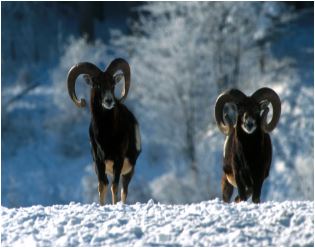
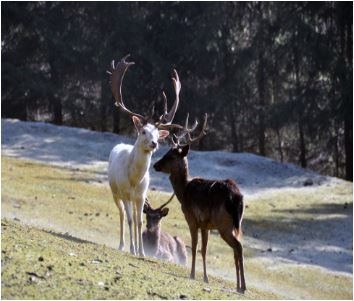
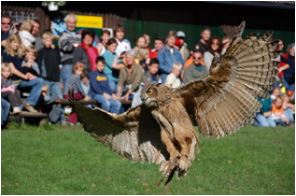
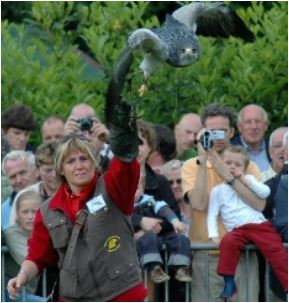
Hellenthaler Wild- und Greifvogelstation 42 km
Flight programmes, lectures, film shoots, photo shoots and much more are also possible outside the bird of prey station. We are a special attraction at company anniversaries, birthdays and celebrations of all kinds. Even wedding rings have been flown in by our eagles. We tailor our programme to your needs and wishes in an uncomplicated and flexible manner.
Hillesheimer Eiskeller ( 42 km
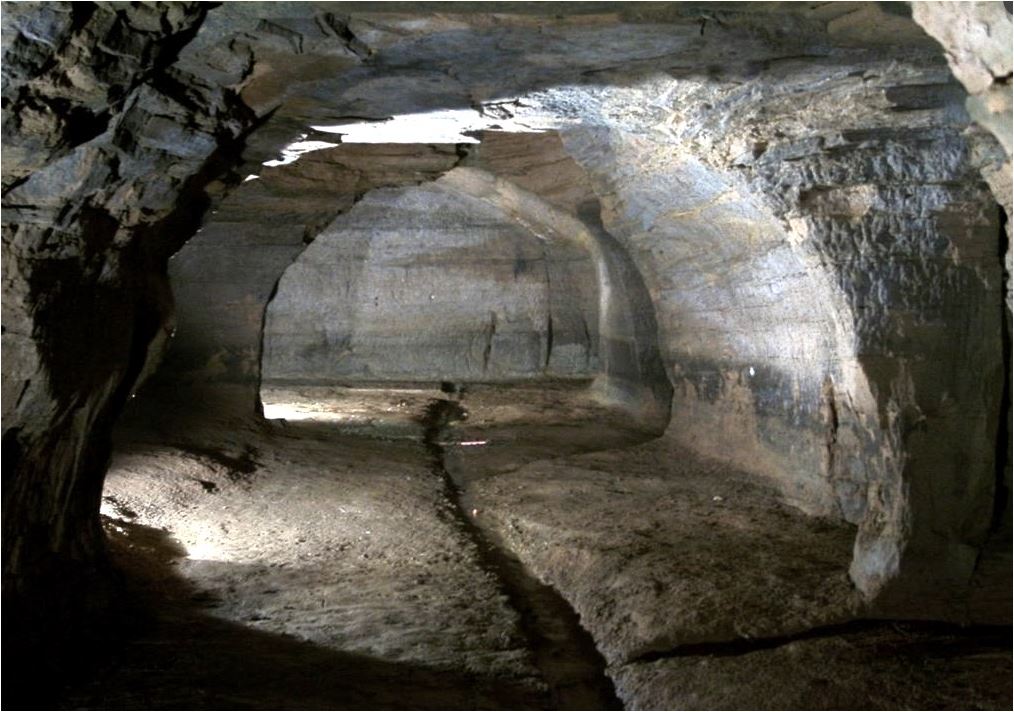
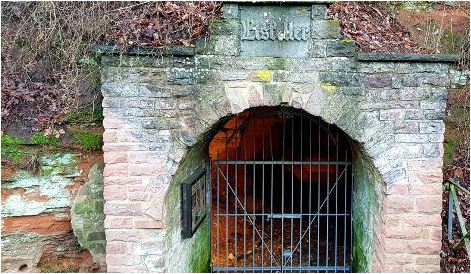
In the second half of the 19th century, the tunnel was driven into the red sandstone layers. This ‘ice cellar’ served as a cold storage room for the Hillesheim breweries. There is a light switch at the entrance so that you can see the full height.
Hillesheimer Krimiland 39 km
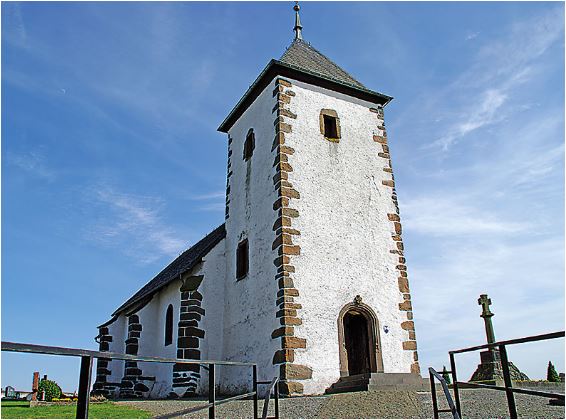
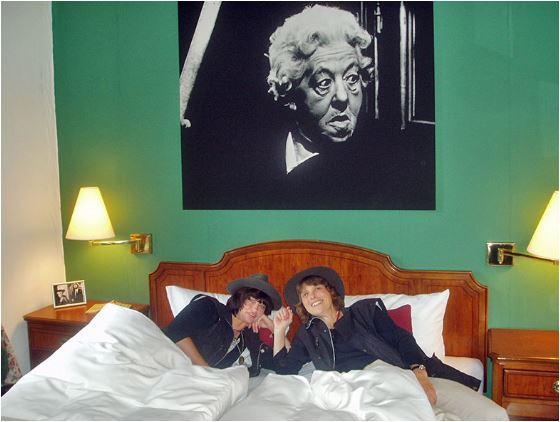
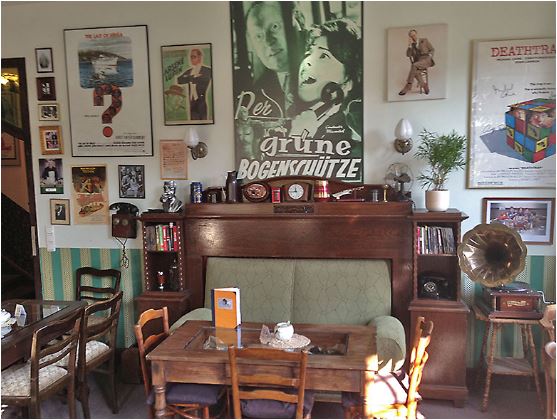
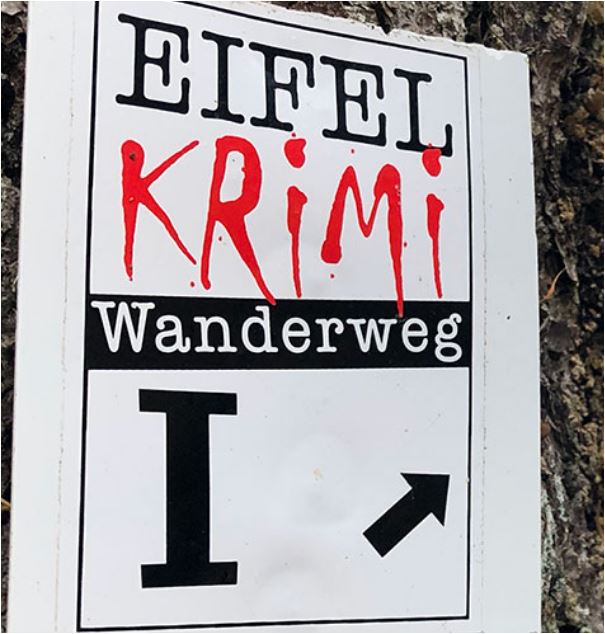
The old building in the centre of Hillesheim is dedicated exclusively to crime novels. The Kriminalhaus was opened by its owners Monika and Ralf Kramp in September 2007 and presents everything that makes the heart of crime novel lovers beat faster. The Eifel Crime Novel Trail connects 11 locations and is divided into two routes. Experience locations 6 to 11 on Route 2, marked clockwise. The fan base for Eifel crime novels continues to grow! The Eifel is now Germany's number one crime novel landscape. The often intense and loving descriptions of the landscape and locations in the crime novels also make many of the Eifel crime novels a kind of travel guide that arouses curiosity about the region where such gruesome things happen. Josef Zierden has compiled and described hundreds of locations in his ‘Eifel Crime Novel Travel Guide’, creating a standard work for Eifel crime novel enthusiasts.

Irreler Wasserfälle 39 km
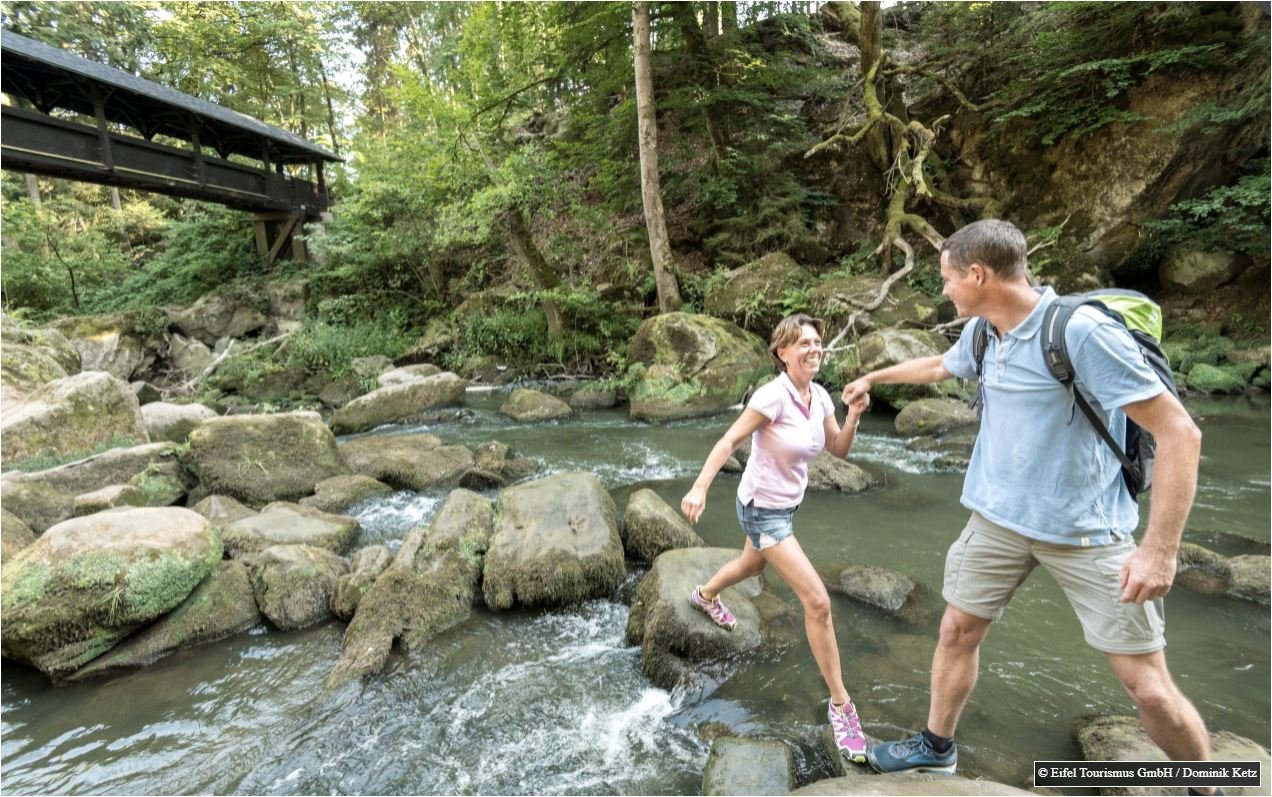
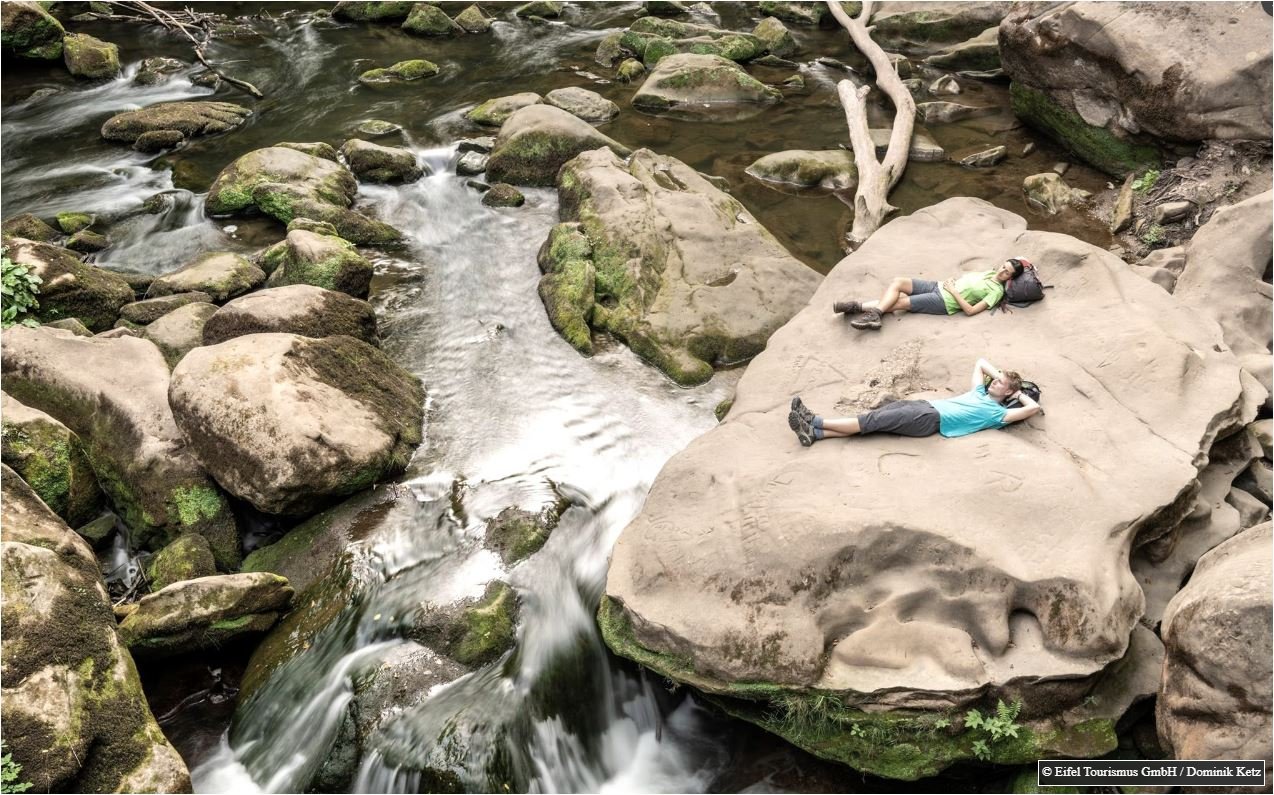
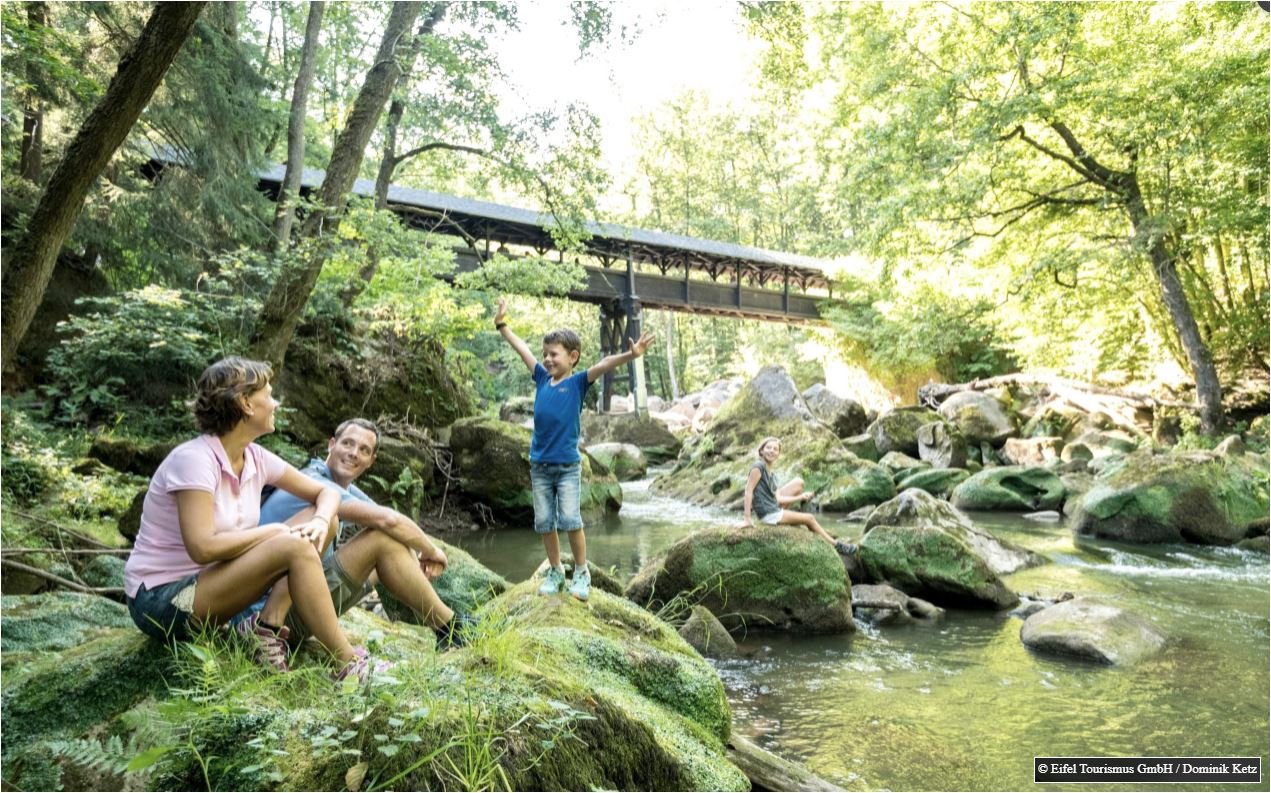
The waters of the Prüm river make their way through a sea of wildly jumbled boulders. At high water, this spectacle takes on almost frightening proportions, and it takes courage and a great deal of skill to dare to cross the Irrel waterfalls in a whitewater kayak, as water sports enthusiasts do every year in autumn. But above all, the Irrel waterfalls are a natural experience and an ecologically sensitive area that every visitor should treat with respect.


Irreler Westwallmuseum 61 km
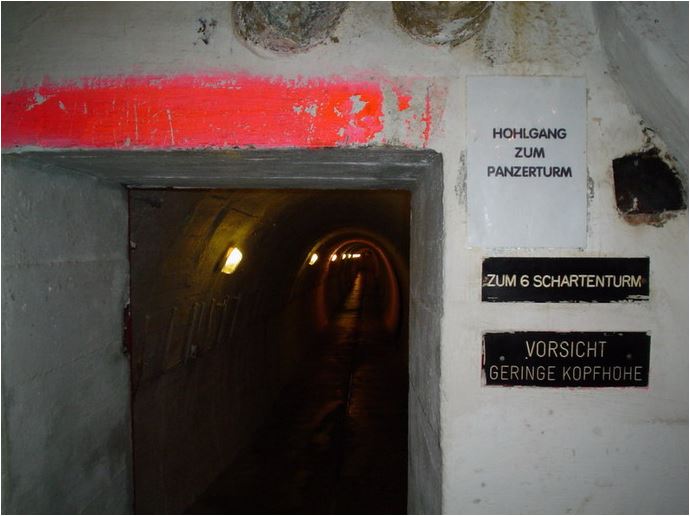
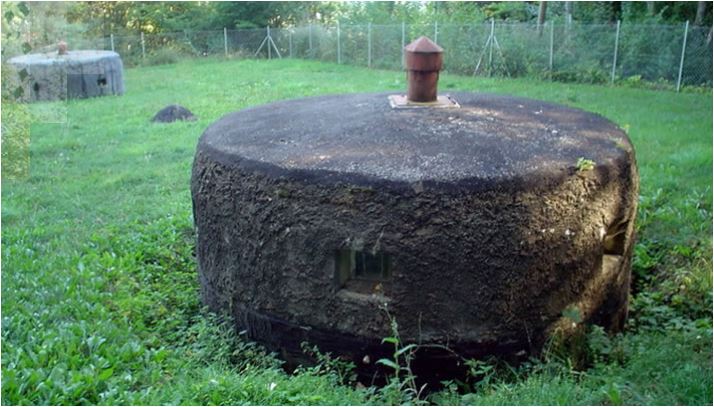
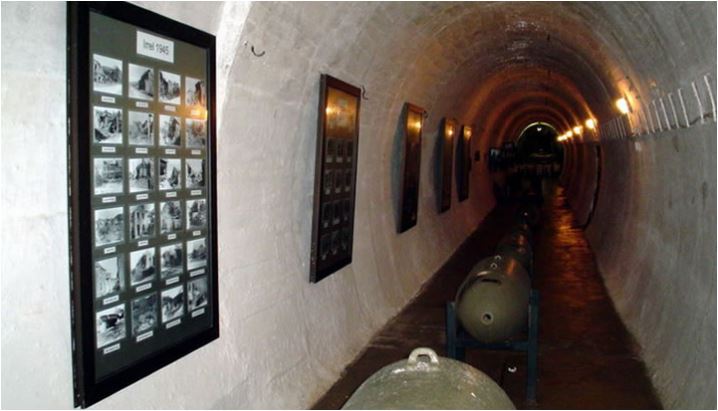
To protect Germany's western border, a protective wall consisting of bunkers, tank barriers, trenches and barbed wire was erected from 1936 onwards (officially from 1938). This protective wall stretched from the Lower Rhine in the north to below Basel in the south, covering a length of 630 kilometres, and was given the name ‘Westwall’ during its construction. A total of 22,000 bunkers and fortifications were planned for this Westwall. Approximately 14,800 bunkers and fortifications were built, including 32 tank fortifications of construction strength ‘B’ (outer walls up to 2 metres thick reinforced concrete). On the German-Luxembourg border, in what is now the climatic health resort of Irrel, the two tank fortifications ‘Katzenkopf’ and ‘Nimsberg’ were built as northern cornerstones to secure the main road between Cologne and Luxembourg.

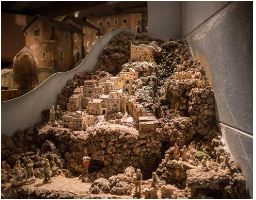
Losheim Krippana 21 km
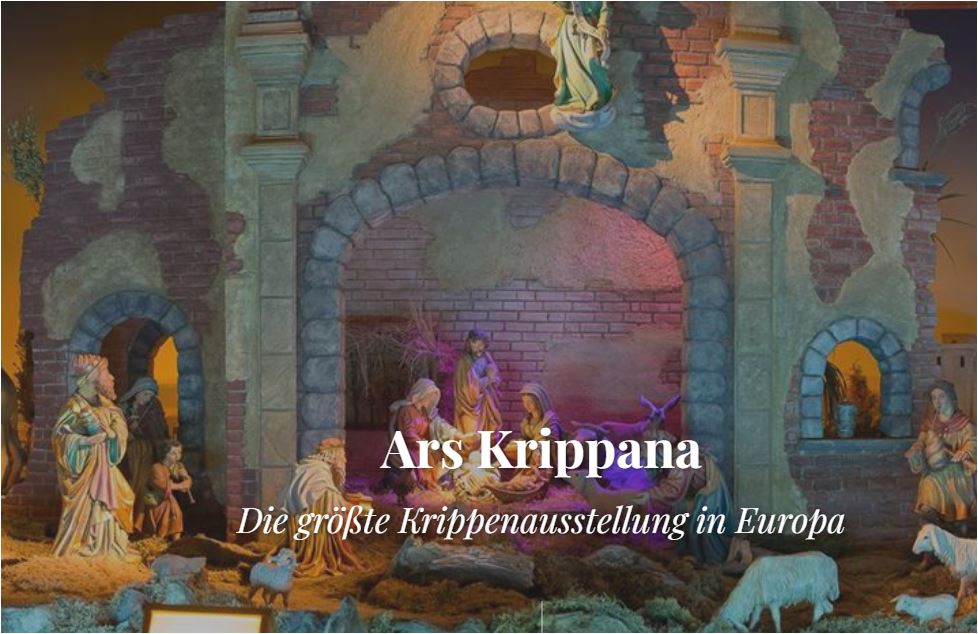
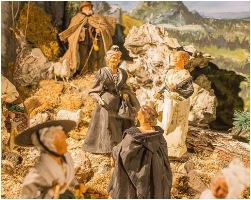
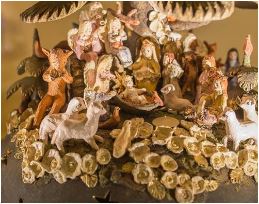
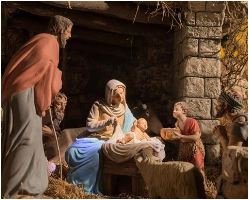
Heavenly sounds fill the air, sparkling stars shine in the sky – enjoy the quiet charm of a very special nativity scene exhibition. With more than 2,500 m² of awe-inspiring atmosphere, ArsKrippana is one of the largest and most impressive collections in Europe. Let yourself be enchanted by wonderful nativity scene art and traditional craftsmanship from over 60 countries – and not just at Christmas time.
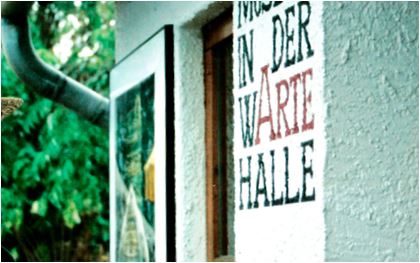
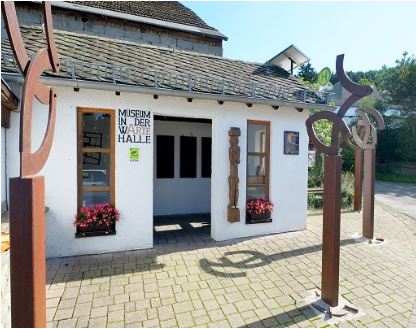
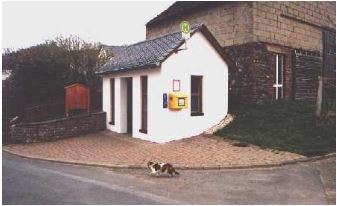
Lützkampen Wartesaalmuseum 17 km
The year 2002: In Welchenhausen, a district of the municipality of Lützkampen with a population of just 35, located in the German-Belgian-Luxembourg border triangle, the newly built bus shelter, which is now only used by a single schoolchild, presents a rather bleak sight. In the house opposite, teacher Bernd Kersting considers embellishing the empty shelter with art. The idea is well received by the villagers and actively supported by Lützkampen's mayor, Leonie Simons.
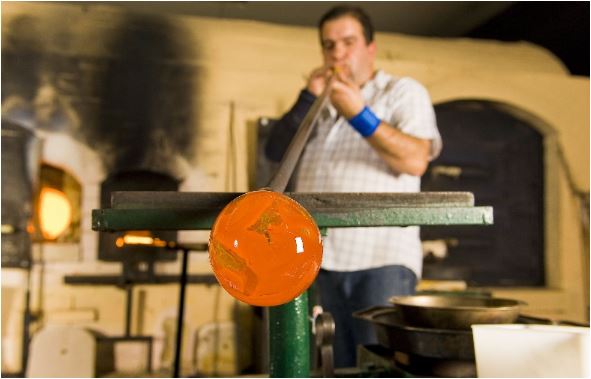
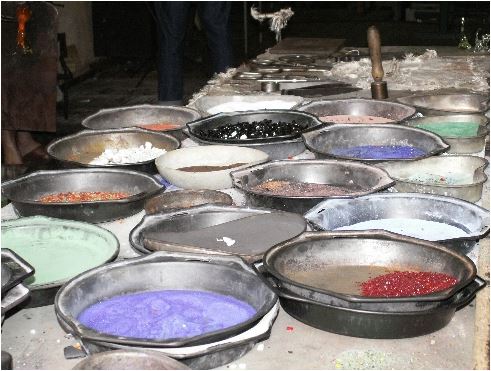
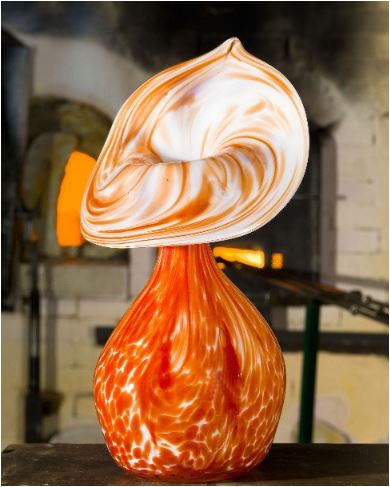
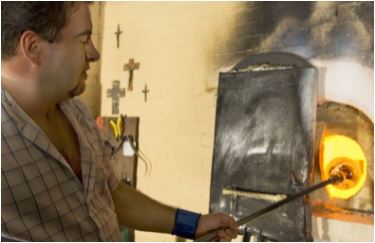
Monschau Glashütte 50 km
Visit the Roman glassworks in Monschau and experience the ancient craft of glassblowing. This art originated in the Roman Empire, whose craft techniques have been preserved to this day.


Monschau Senfmühle 50 km
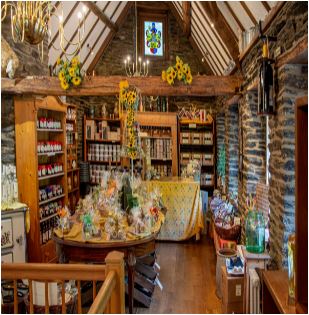
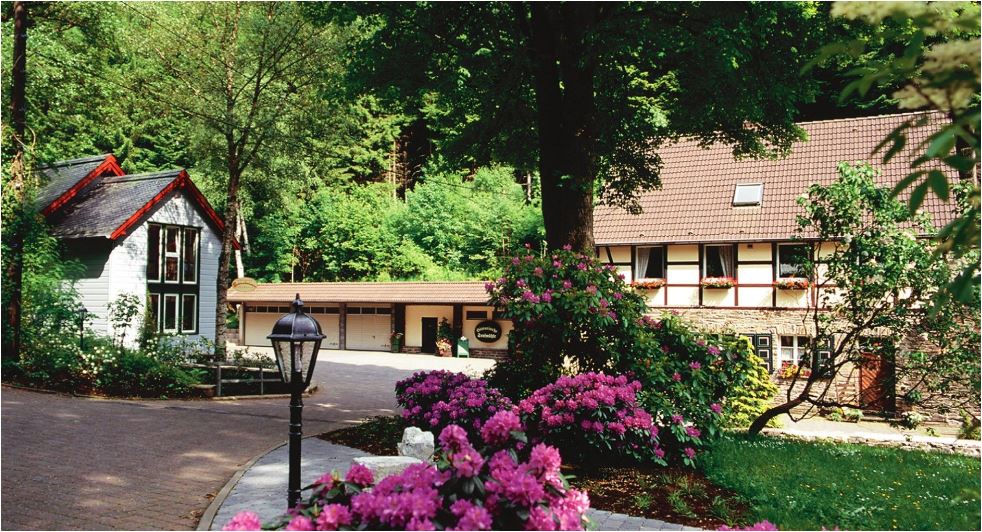
We are an old family business with a long tradition and a rich history. Today, in its fourth and fifth generation, mustard is produced in a mustard mill that is over 100 years old. Originally powered by a water wheel, it still operates with an old transmission system and can be visited to see how it works.
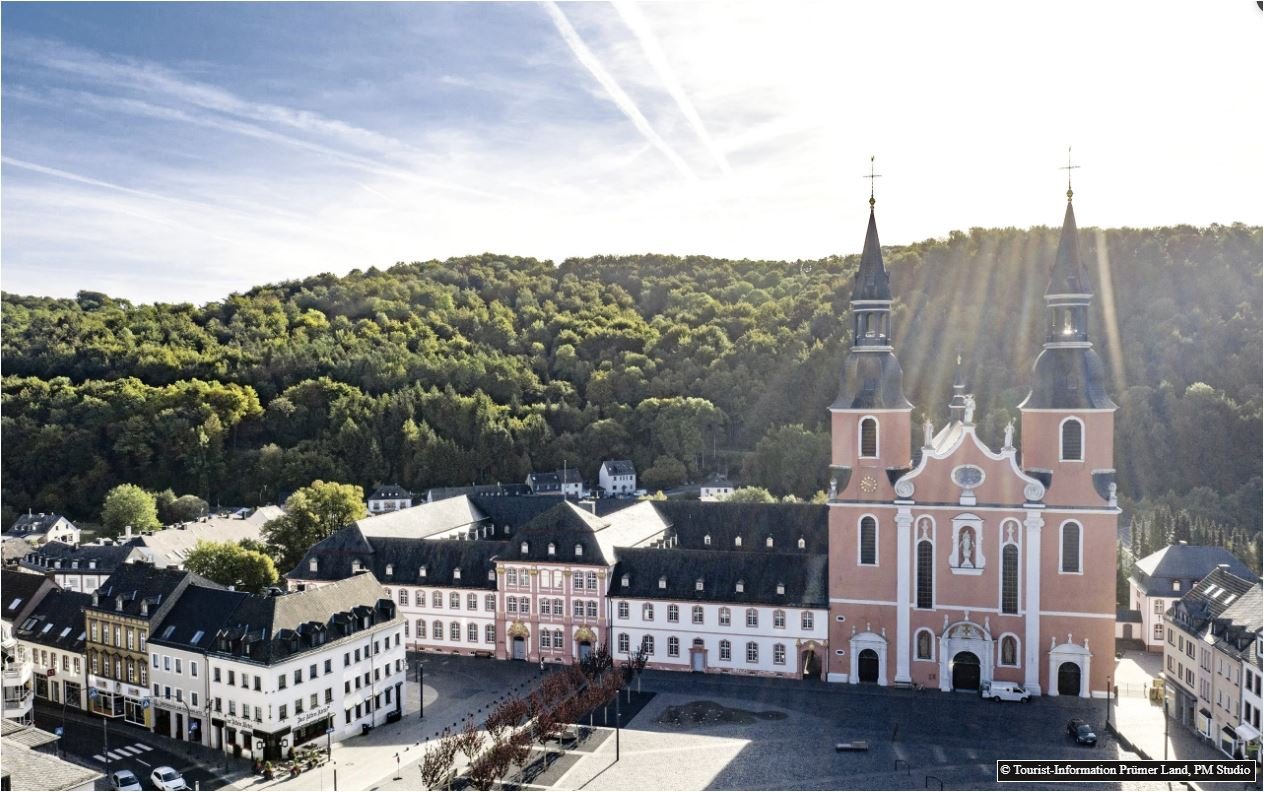
Prüm Basilika 15 km
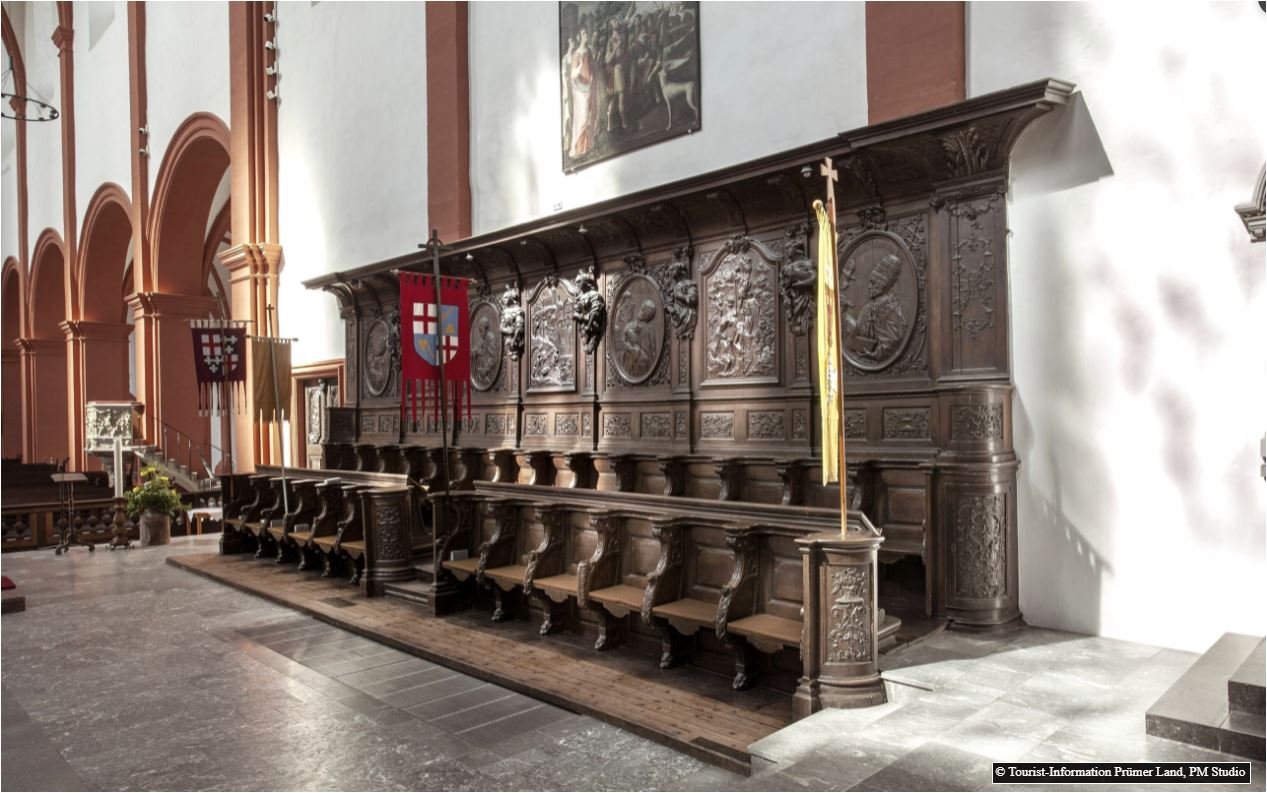
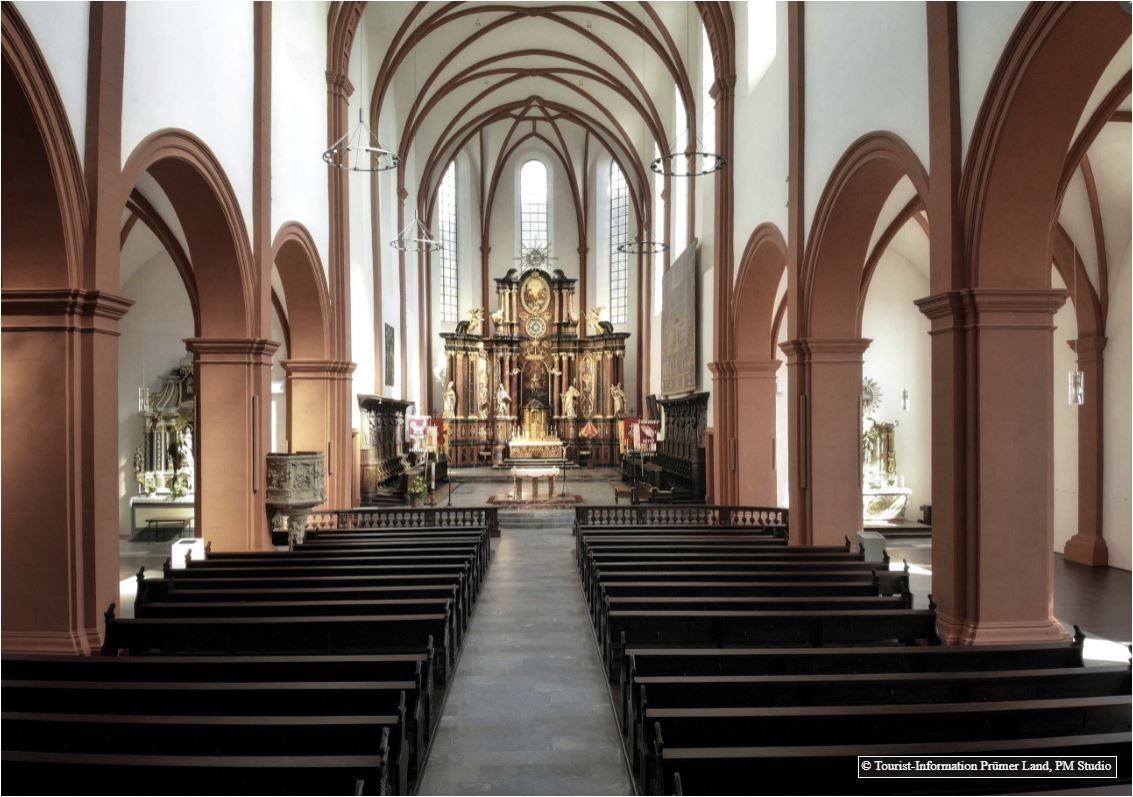
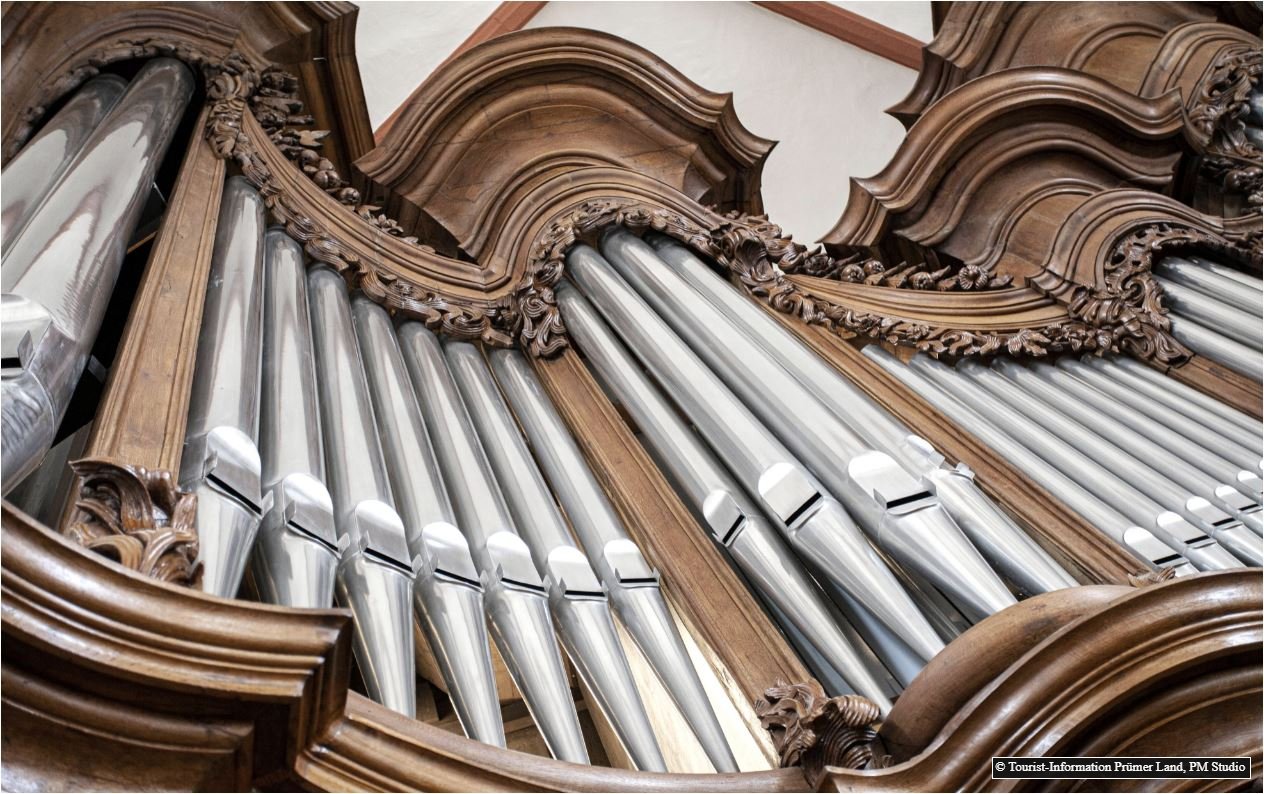
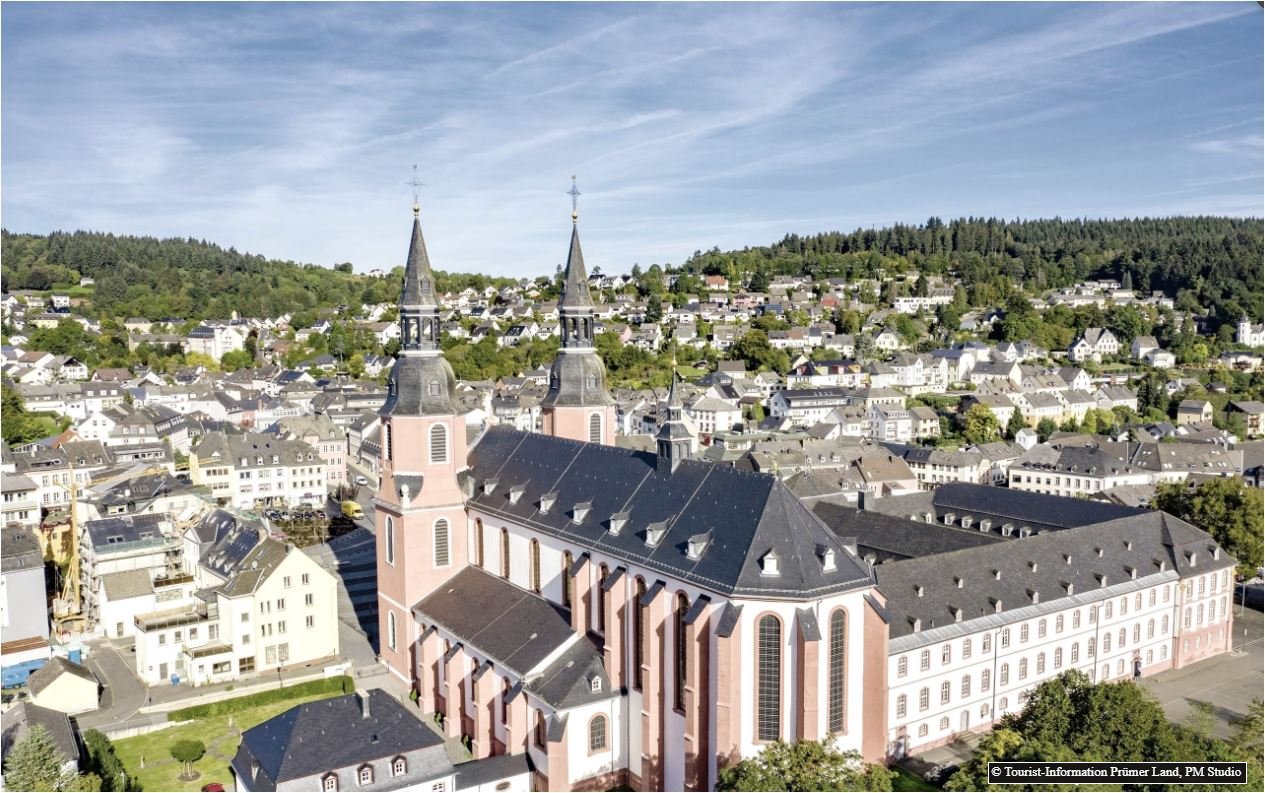
Charlemagne had the first Salvator Church built. As the repository for the relics of Christ's sandals, the abbey church of the Benedictine Abbey of Prüm was so richly decorated that it was called the ‘Golden Church’. After an eventful history, during which the church was destroyed several times and fell victim to catastrophic fires, the Elector of Trier, Franz Ludwig von Pfalz-Neuburg, commissioned the reconstruction of the Salvator Church in 1721. The floor plan of today's Salvator Church is based on the designs of court architect Hans Georg Judas, who drew on earlier styles such as Romanticism, Gothic and Renaissance. In contrast, the interior design reflects the Main-Franconian Baroque spirit of his successors Neumann and Seitz.

Prüm Skulpturenpark 14 km
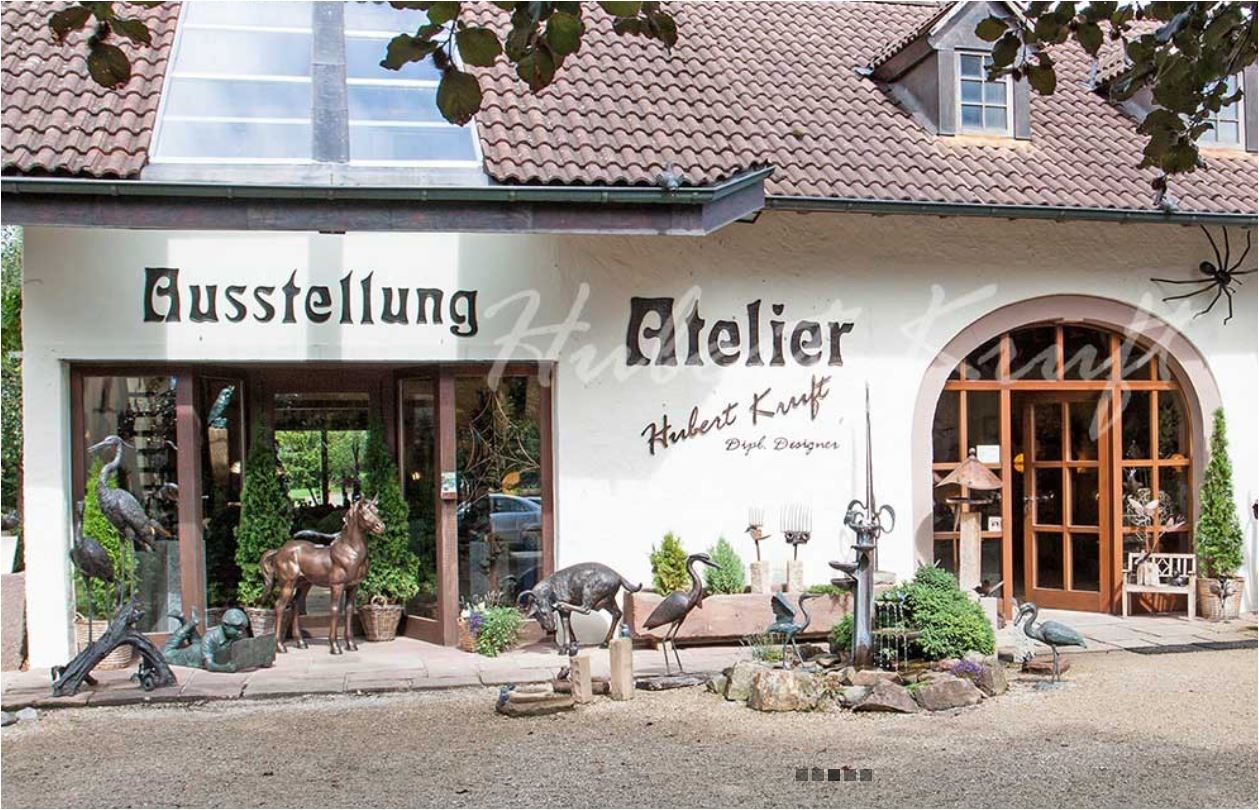
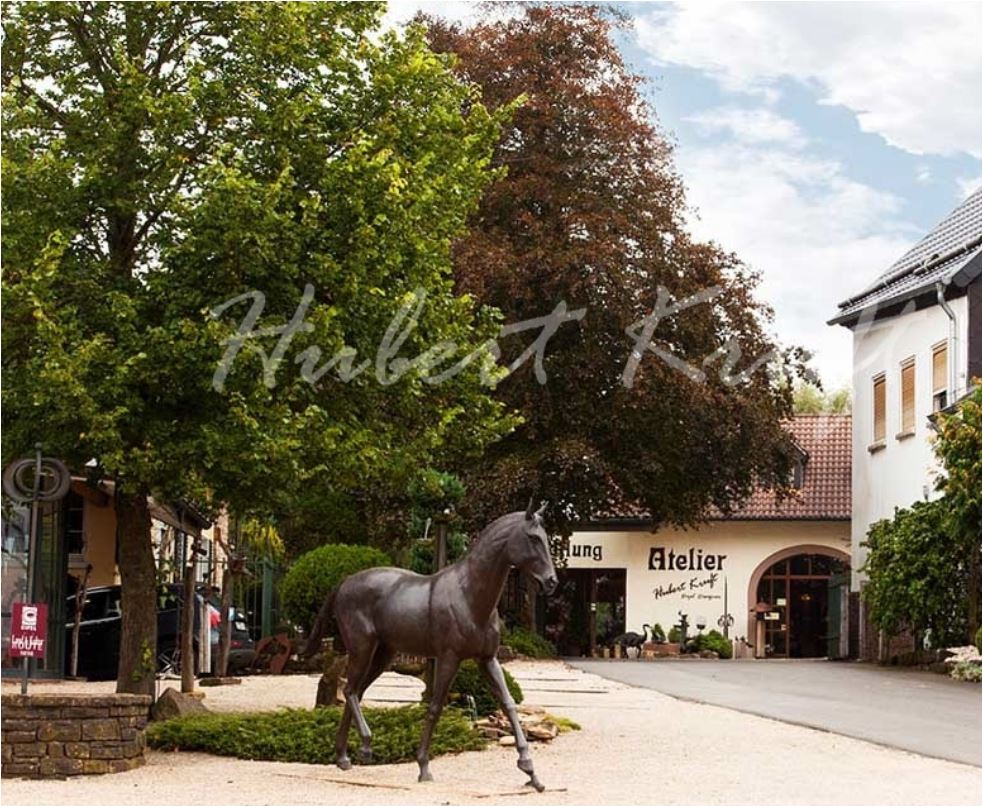
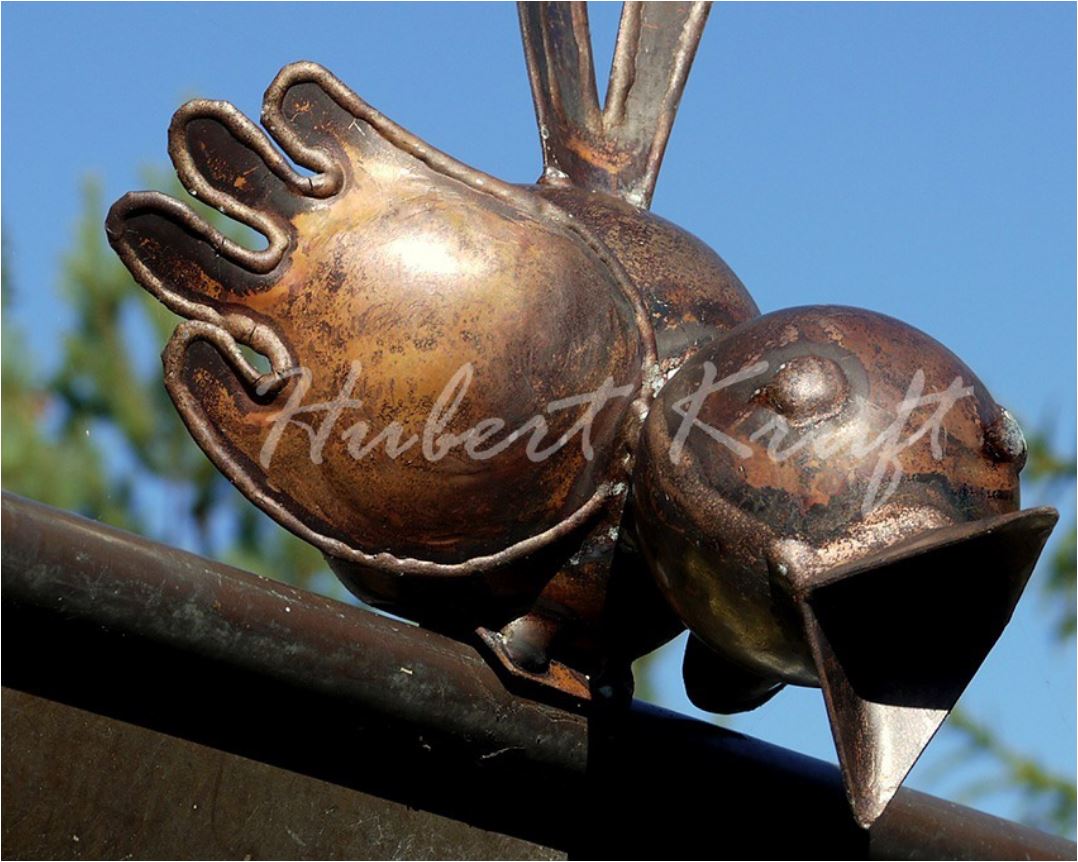
Hubert Kruft, a qualified designer, learned the blacksmith's trade from his father in the family business and then studied design in Aachen. Since autumn 2013, he has been passing on his knowledge to our son Lukas. Thus, little by little, an old village smithy developed into a workshop for artistic metal design, which he ran together with his late brother Alfred Kruft and which is now in its fifth generation. Where oxen and horses used to be shoed, today it is mainly copper that is worked, but steel is also forged. All copper works are made individually by hand and are therefore unique. The strictly naturalistic works that you encounter time and again are cast in bronze and are carefully selected and purchased by us. Another important area of Hubert Kruft's work is the performing arts using old agricultural implements, which he has already presented at numerous art exhibitions, as well as his sculptures made of Corten steel. Not to forget the numerous fountains, which are handmade from solid copper.

St. Vith Biermuseum 27 km
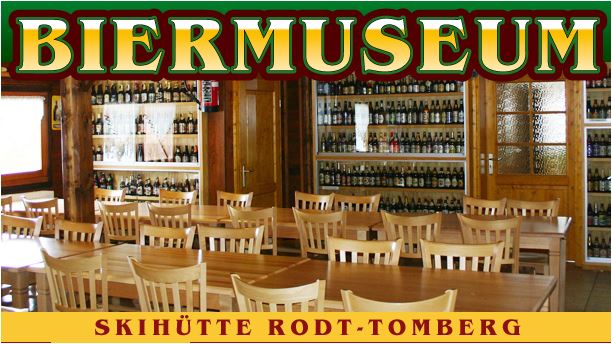
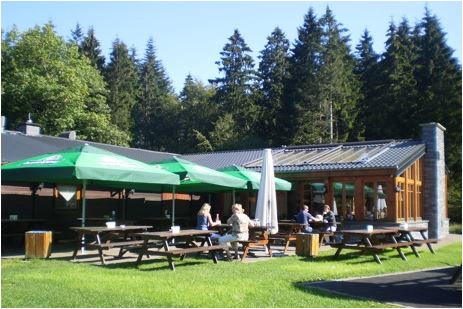
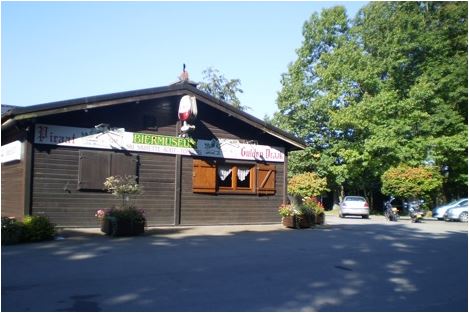
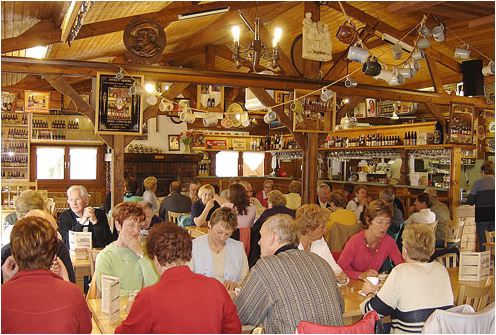
The Beer Museum on Tomberg is undoubtedly a tourist attraction. The museum has a collection of almost 4,000 bottles of different types of beer with matching glasses and various utensils, as well as some antiques.
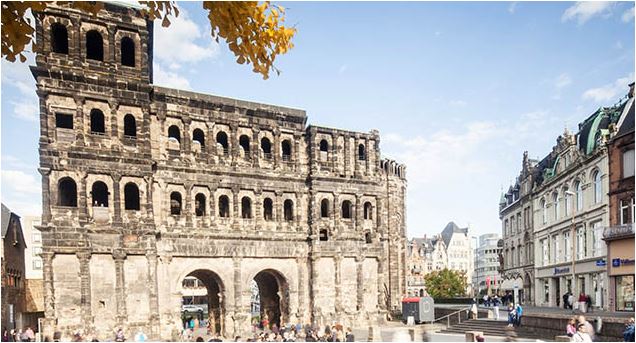
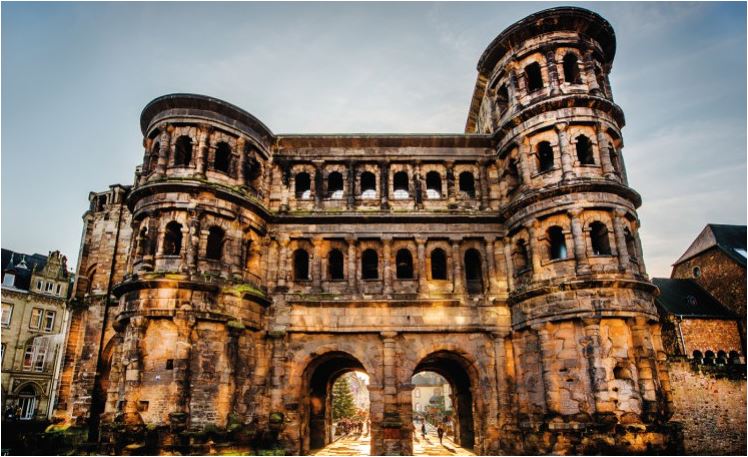
Trier Porta Nigra 27 km
When the Romans laid the foundation stone for the Porta Nigra in 170 AD, they could hardly have imagined its success story. After all, the city gate was just one of four in Trier at the time – and one of many throughout the Roman Empire. Today, some 1,850 years later, the ‘Black Gate’ is the best-preserved Roman city gate north of the Alps and THE sight to see when it comes to Roman rule in what is now Germany.